Spring Rolls: The 2,500-Year Journey from Tree Bark Wrappers to Golden Crunch
Crisp on the outside. Tender and savory on the inside. Shatteringly golden when you bite in, then a burst of vegetables, meat, and umami. The Chinese spring roll (春卷, chun juan) is one of the most perfect foods ever invented — and its story spans 2,500 years.
From Tree Bark to Golden Wrapper
The earliest ancestor of the spring roll was not a food at all. During the Spring and Autumn period (771–476 BCE), people wrapped food in tree bark or thin pancakes to eat on the go during spring agricultural work. The wrapping was practical — a portable container for a meal in the fields.
By the Tang Dynasty (618–907), the concept had evolved into chunbing (春饼, “spring pancakes”) — thin wheat wrappers filled with seasonal vegetables, eaten specifically to celebrate the arrival of spring. The first day of spring was called Lichun (立春), and eating chunbing was believed to “bite the spring” (咬春) — absorbing the new season’s vitality.
The Ming Dynasty (1368–1644) saw the next evolution: someone discovered that deep-frying the wrapped spring pancake produced a shatteringly crisp shell. The name changed from chunbing to chunjuan (春卷, “spring roll”) — and it never changed back.
The Golden Cylindrical Standard
A proper Chinese spring roll follows strict geometry:
- Shape: Cylindrical, 10-15 cm long, 2-3 cm diameter
- Wrapper: Paper-thin wheat flour dough, smooth and slightly translucent when raw
- Filling: Shredded vegetables (cabbage, carrot, bamboo shoots, mushroom) plus a protein (pork, shrimp, or chicken)
- Frying: Deep-fried until golden — the wrapper blisters into a honeycomb texture that shatters on contact
The critical technique is the seal. The filling is placed on the wrapper, the sides are folded in, and the roll is tightly wrapped. The final edge is sealed with a paste of flour and water. If the seal fails, oil rushes in during frying and the roll becomes a greasy mess. If the seal holds, the interior steams in its own moisture while the exterior crisps — two textures in one bite.
Regional Variations: A Geography Lesson in Fried Dough
| Region | Style | Characteristics |
|---|---|---|
| Shanghai | Thin and elegant | Fine wrapper, minimal filling, ultra-crisp |
| Cantonese | Thick and generous | Dense filling with roast pork and water chestnut |
| Fujian | Sweet | Filled with peanut, sugar, and crushed sesame |
| Vietnam (adapted) | Fresh, not fried | Rice paper wrapper, raw vegetables, herbs |
| Northern China | Hearty | Cabbage and pork, larger size, served with vinegar |
The Vietnamese goi cuon (fresh spring roll) is a cousin, not a descendant — it uses rice paper instead of wheat wrapper and is served cold, not fried. Both are delicious. Both claim the name “spring roll.” Wars have been fought over less.
The Physics of the Perfect Fry
Food scientists have studied the spring roll fry extensively. The optimal oil temperature is 175°C (350°F). At this temperature:
- The wrapper’s starch gelatinizes in the first 10 seconds, creating a waterproof barrier
- The trapped moisture inside steams the filling (internal temp reaches ~100°C)
- After 2-3 minutes, the wrapper’s sugars and proteins undergo Maillard browning — the golden color and nutty aroma
- The honeycomb texture forms when trapped steam creates micro-bubbles in the gelatinized starch layer
Too hot, and the outside burns before the inside cooks. Too cool, and the wrapper absorbs oil instead of crisping. The 175°C window is narrow — about 10 degrees either way — which is why home-fried spring rolls rarely match restaurant quality.
Spring Rolls and the World
Chinese immigrants brought spring rolls to Southeast Asia, Europe, and the Americas. Today, the frozen spring roll section of any Asian supermarket spans an entire aisle. Factory-made spring rolls use machine-extruded wrappers and automated filling, producing millions per day.
But the best spring roll is still made by hand — by a grandmother who has wrapped ten thousand of them, who knows by touch when the wrapper is too thick, who seals each one with a thumbprint of flour paste. The machine can replicate the shape. It cannot replicate the seal.
Related stories:
- Hot Pot: Why the Chinese Eat Their Meals Boiling Together
- Xiaolongbao: The Soup Dumpling That Defies Physics
- Dim Sum: The Morning Ritual That Invented Brunch
Sources:
You May Also Like
 6:20
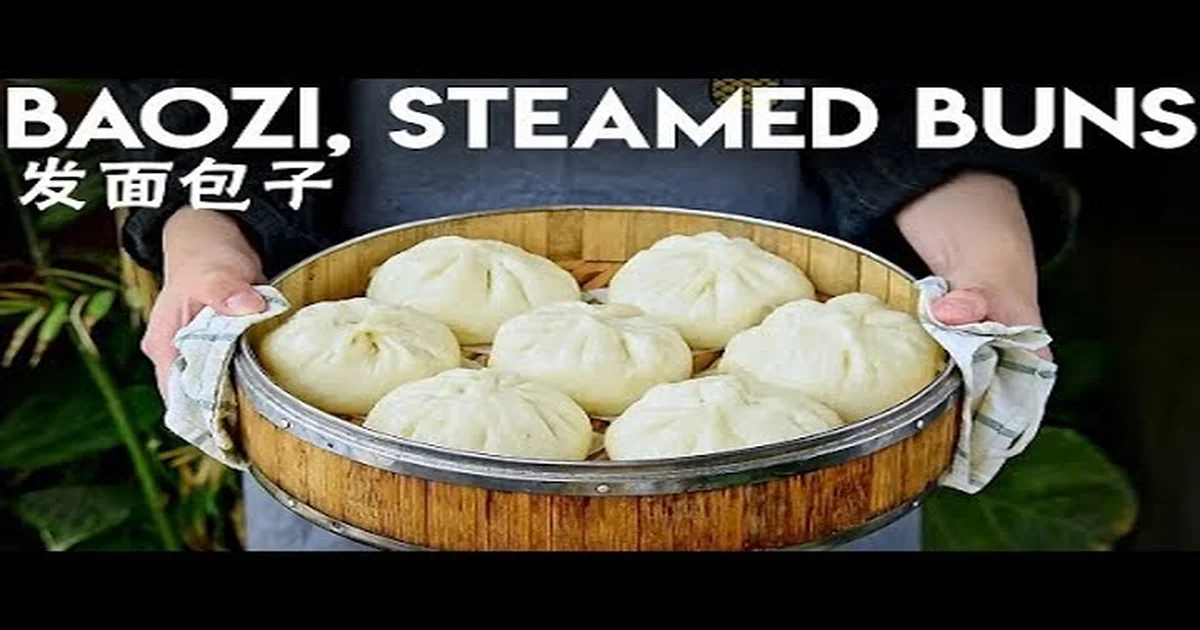
6:20 Baozi: China's Beloved Steamed Buns That Feed a Nation
 4:48
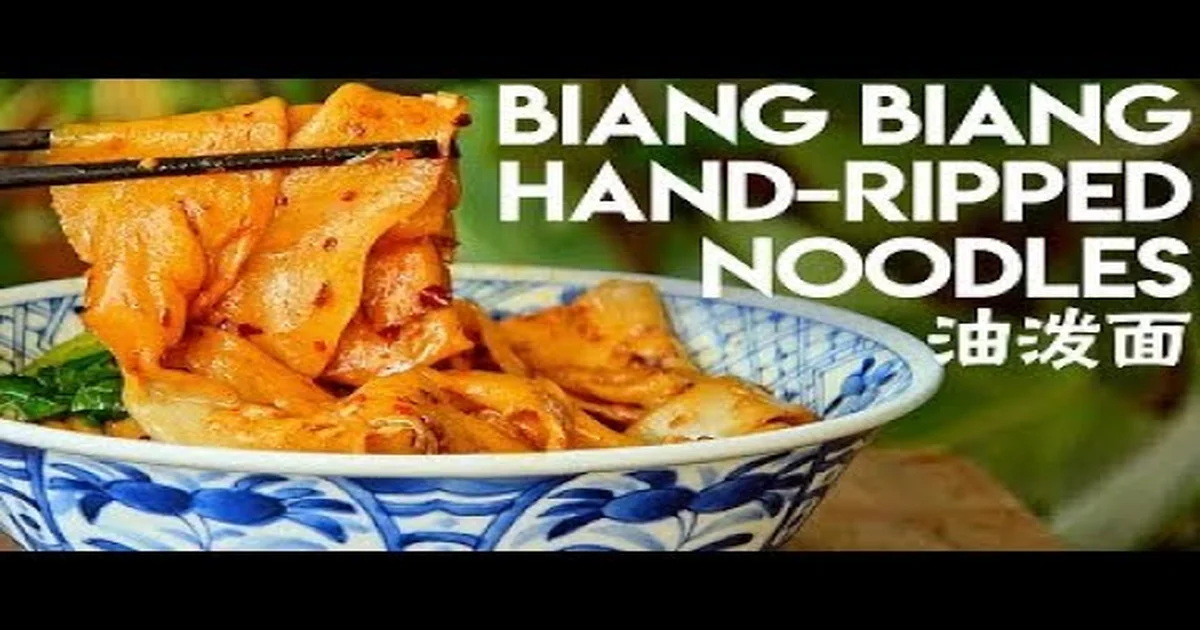
4:48 Biang Biang Noodles: The Belt-Like Noodles With China's Most Complex Character
 2:06
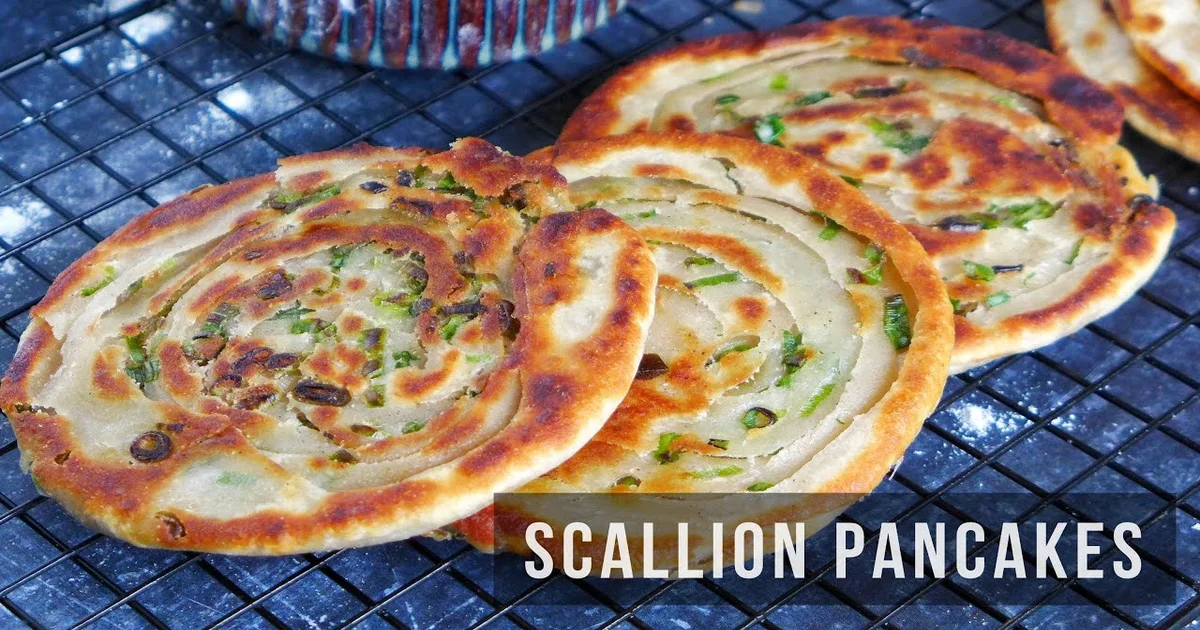
2:06 Scallion Pancakes (Cong You Bing): The Crispy, Flaky Chinese Street Classic
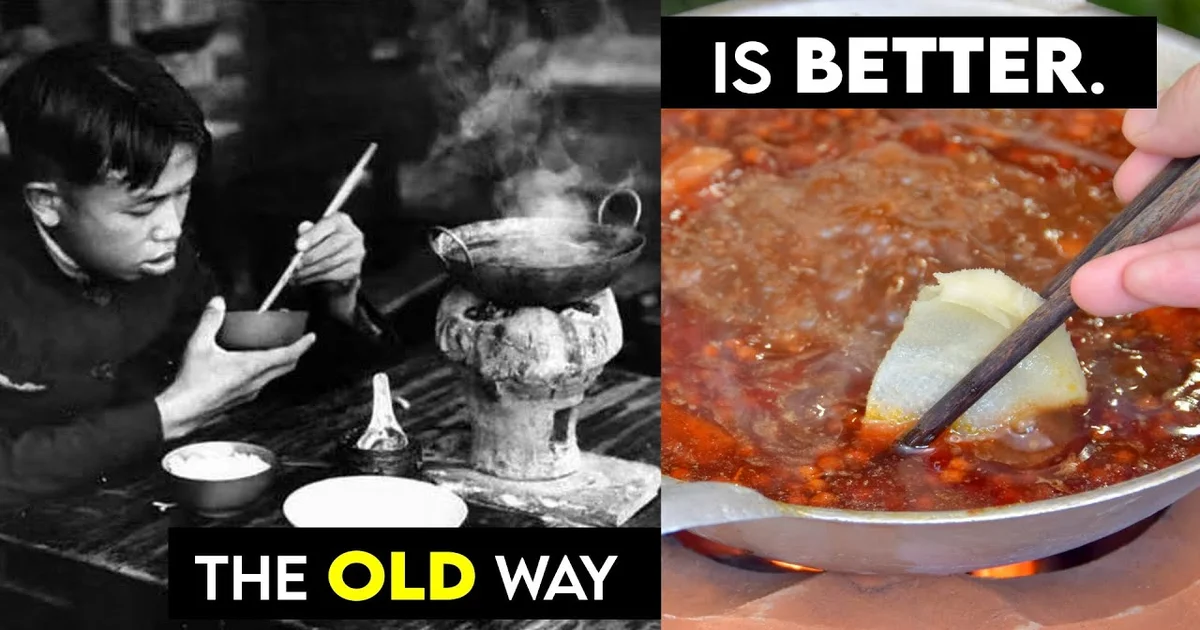
Sichuan Hot Pot — The Boiling Cauldron of Numb and Spice
Recommended Products
Products related to this topic, automatically recommended by Amazon:
As an Amazon Associate, we earn from qualifying purchases.