Hot Pot — Why the Chinese Eat Their Meals Literally Boiling Together
A Pot That Refuses to Be Eaten Alone
Hot pot is the only major Chinese dish that cannot be cooked for one person. The pot sits in the center of the table, the broth never stops bubbling, and everyone cooks their own food in the shared cauldron. This isn’t just logistics — it’s ideology. In a culture that has spent millennia negotiating the balance between individual desire and collective harmony, hot pot is the meal that picks a side: it insists that eating is a group act.
The origins are humble and cold. Nomadic herders on the Mongolian steppe boiled meat in shared pots over communal fires because there was no other way to cook in a wind-blasted tent. When the practice migrated south into Sichuan, the climate stayed damp and the chili peppers grew plentiful. Someone — no one knows who — dropped a handful of Sichuan peppercorns into the broth, and mala (“numbing-spicy”) hot pot was born.
The Yin-Yang Pot
The divided pot — spicy broth on one side, clear bone broth on the other — is hot pot’s most elegant invention. Officially called yuanyang guo (“mandarin duck pot”), the split vessel lets cautious diners dip into the mild side while chili warriors bathe their beef in fire. The name itself is a metaphor: mandarin ducks mate for life, and the two broths, though separated by a steel wall, share the same heat source and the same table. Contradiction and unity, served simultaneously.
This dual-pot design is relatively modern, gaining popularity in Chongqing in the 1980s as restaurants catered to mixed groups. But the philosophy behind it — that a single meal can accommodate radically different palates without splitting the table — is deeply Chinese.
The Sequence Matters
There is an unwritten protocol. Leafy greens go in first to flavor the broth. Thin-sliced meat follows — beef, lamb, tripe — each slice swished for exactly eight seconds, no more, or it turns to leather. Tofu and mushrooms go in to absorb the accumulated flavor of everything that came before. Noodles are last, cooked in broth that has been enriched by a dozen previous ingredients.
This sequence transforms the pot from a cooking vessel into a time-lapse flavor engine. The first bite tastes nothing like the last, and every diner’s chopsticks contribute to the evolving broth. You are not just eating; you are co-authoring the meal.
The Rise of Chain Hot Pot
In the last decade, hot pot has become China’s most commercialized cuisine. Chains like Haidilao and Xiabu Xiabu have standardized the experience down to the napkin folding and the noodle dancing. Haidilao’s legendary service — manicures while you wait, robot servers, noodle-pulling performances — turns dinner into entertainment.
Purists grumble that the broth is sweeter, the peppers milder, the soul diluted. But the chains accomplished something real: they made hot pot accessible to people who would never navigate a traditional Sichuan alleyway restaurant. A college student in Shanghai, an office worker in Shenzhen, a family in Harbin — all can now eat huoguo without knowing the old rules, and the pot still brings them together.
Set Up Your Own Circle
A divided hot pot pot, a portable induction burner, and a group of friends is all you need. Buy pre-sliced hot pot meat from any Asian grocery, prep a platter of mushrooms, bok choy, and tofu, and mix your own dipping sauce (sesame paste, chili oil, cilantro, garlic — adjust ratios until it tastes like yours). The broth can be as simple as chicken stock with a couple of dried chilies. The magic isn’t in the recipe; it’s in the circle of people around the pot.
Explore more: Chongqing’s fiery hotpot culture · Sichuan spice philosophy
Sources: Hot pot on Wikipedia
You May Also Like
 6:20
6:20 Baozi: China's Beloved Steamed Buns That Feed a Nation
 4:48
4:48 Biang Biang Noodles: The Belt-Like Noodles With China's Most Complex Character
 2:06
2:06 Scallion Pancakes (Cong You Bing): The Crispy, Flaky Chinese Street Classic
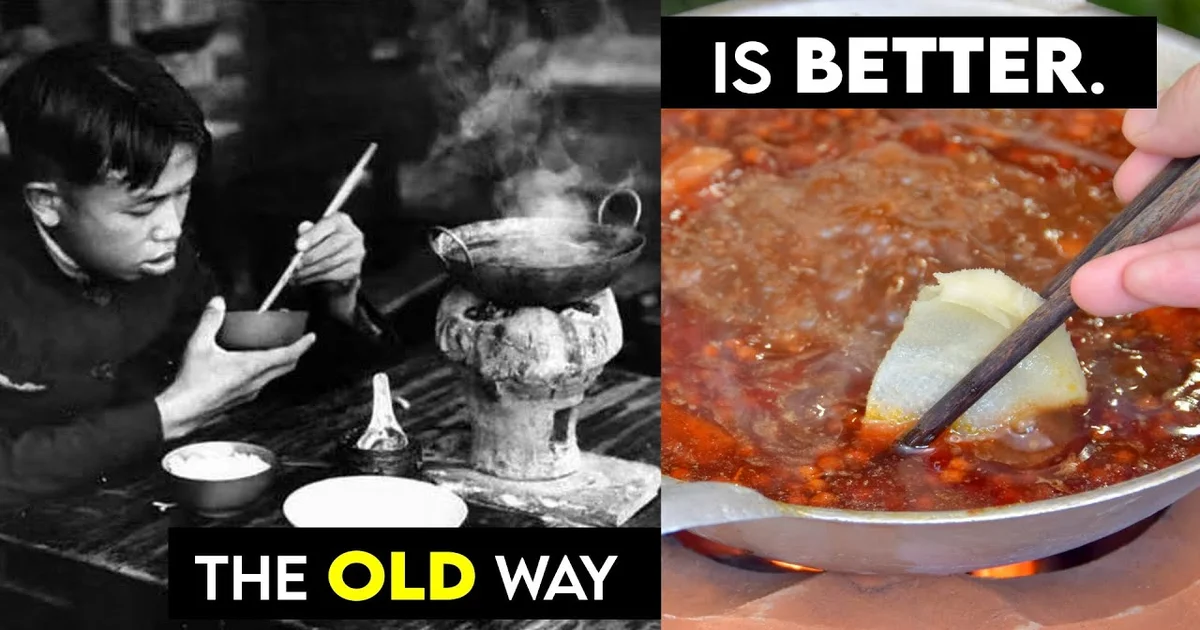
Sichuan Hot Pot — The Boiling Cauldron of Numb and Spice
Recommended Products
Products related to this topic, automatically recommended by Amazon:
As an Amazon Associate, we earn from qualifying purchases.