Baozi: China's Beloved Steamed Buns That Feed a Nation
Every morning across China, clouds of steam rise from bamboo baskets on street corners, releasing the warm, yeasty aroma of baozi (包子) — China’s beloved steamed buns.
A History Steeped in Steam
Baozi dates back over 1,800 years to the Three Kingdoms period. Legend credits the strategist Zhuge Liang with inventing mantou (plain steamed buns) as a substitute for human heads in a river-crossing ritual. Whether true or not, the story underscores how deeply baozi are woven into Chinese culinary mythology.
By the Song Dynasty, baozi stalls were ubiquitous in cities like Kaifeng and Hangzhou. The famous painting Along the River During Qingming Festival depicts baozi vendors in bustling street markets — a scene virtually unchanged today.
Anatomy of the Perfect Bao
A great baozi requires three elements: a silky, slightly sweet dough made from wheat flour and yeast; a generous, juicy filling; and the pleating technique that seals the bun while creating its distinctive spiral top.
The dough ferments for hours, developing air pockets that expand during steaming to create the characteristic fluffy texture. The filling varies wildly by region: northern baozi lean savory with pork and Chinese chives, while southern versions might feature barbecued pork (char siu), vegetables, or even sweet custard.
Regional Variations
- Tianjin Goubuli Baozi — famously small, with 18+ pleats per bun
- Shanghai Xiaolongbao — soup-filled dumplings, technically a cousin of baozi
- Guangzhou BBQ Pork Bao — sweet-savory char siu in cloud-like dough
- Yunnan Flower Baozi — filled with edible rose petals
The Street Food Ritual
Buying baozi is a daily ritual for millions. Customers line up at dawn, exchanging coins for bamboo baskets of steaming buns. The vendor lifts the lid, steam billows, and you receive your baozi in a thin plastic bag — too hot to hold, too delicious to wait.
Making baozi at home requires a bamboo steamer, a round of dough practice, and patience for the first rise. The result is worth every minute — a pillow of dough yielding to a burst of savory filling that connects you to 1,800 years of Chinese breakfast tradition.
You May Also Like
 4:48
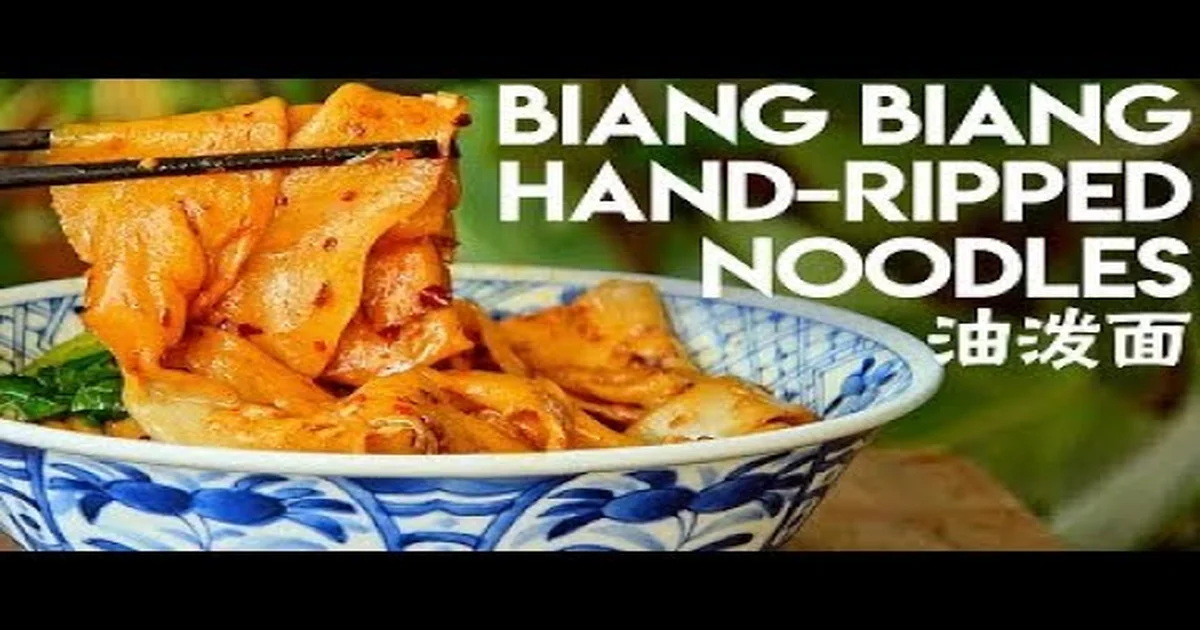
4:48 Biang Biang Noodles: The Belt-Like Noodles With China's Most Complex Character
 2:06
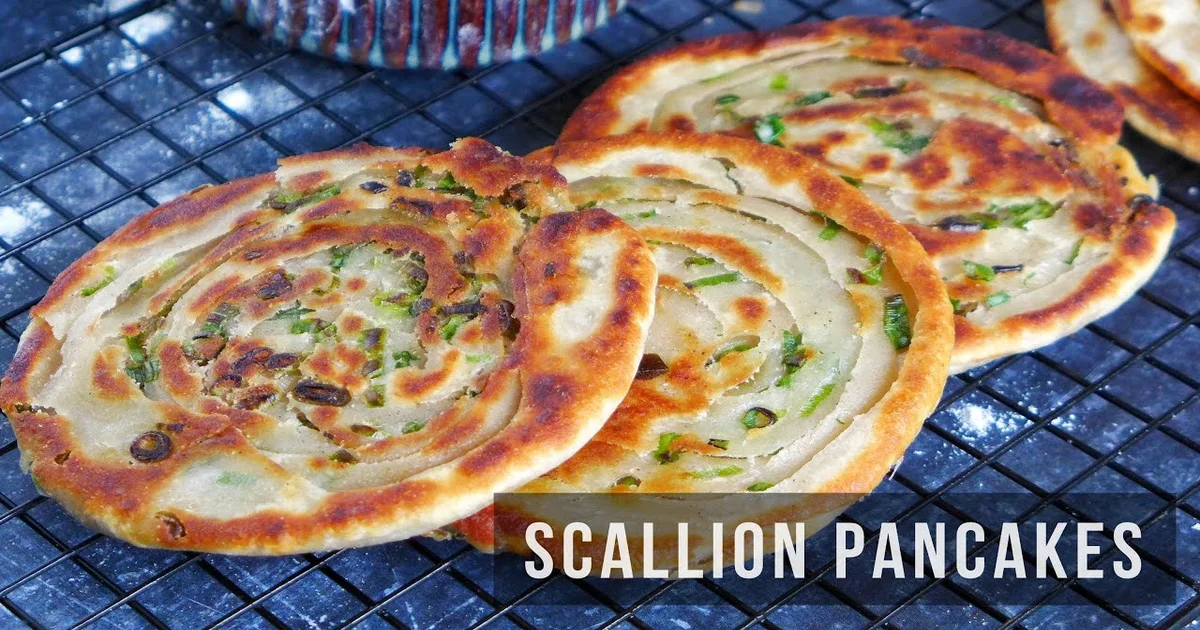
2:06 Scallion Pancakes (Cong You Bing): The Crispy, Flaky Chinese Street Classic
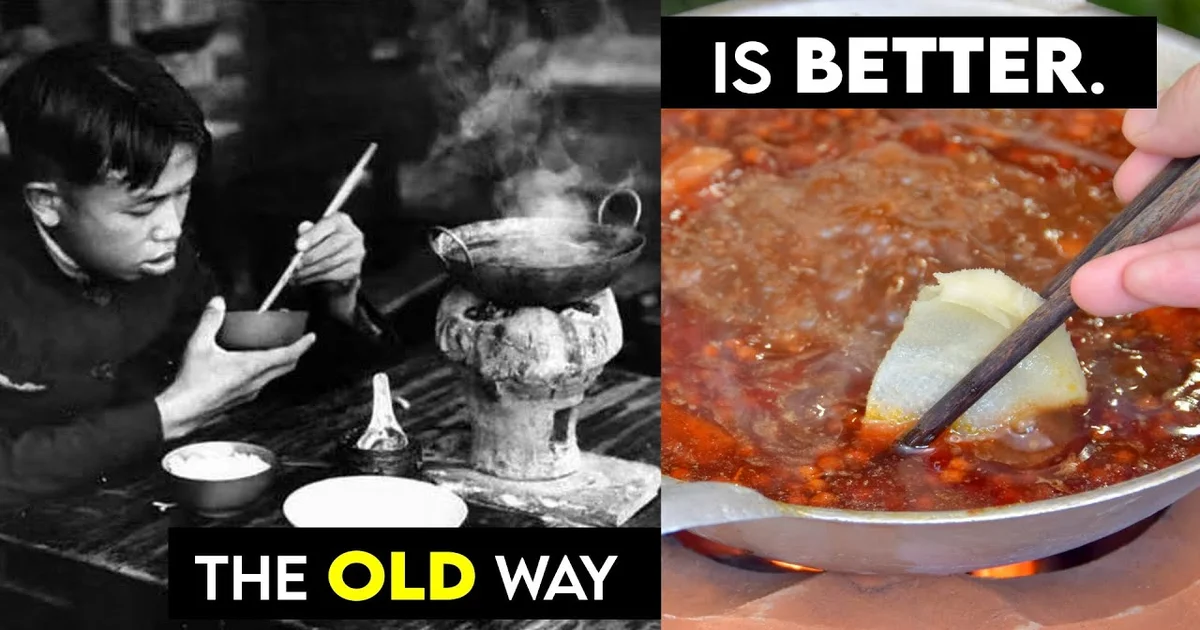
Sichuan Hot Pot — The Boiling Cauldron of Numb and Spice
Cross-Bridge Rice Noodles — The Legend Behind Yunnan's Most Famous Dish
Recommended Products
Products related to this topic, automatically recommended by Amazon:
As an Amazon Associate, we earn from qualifying purchases.