Secrets of the Great Wall — 20,000 km of Dynasty, Defeat, and Sticky Rice Mortar
More Than Bricks and Mortar
Most travelers see the Great Wall as a single magnificent structure stretching across mountain ridges. The truth is far more complex — it is not one wall, but many. Over two thousand years, successive dynasties built, rebuilt, and abandoned their own versions, creating a layered archaeological puzzle that spans more than 20,000 kilometers.
The Wall you walk on at Badaling was built by Ming emperors. But beneath those stones lie the ghostly foundations of walls raised by the Qin, the Han, and the Northern Wei — each answering the same question with a different answer: how do you hold back the steppe?
The Workers Who Built the Dragon
The Ming-era Wall alone required the labor of millions. Soldiers, peasants, and convicts hauled granite blocks up cliffs where no road existed. They mixed sticky rice with slaked lime to create a mortar so resilient that sections still stand after six centuries. The recipe was a kind of alchemy — food turned into fortification.
Workers lived in crude camps along the ridgeline. Many never returned home. Their names are lost, but folk songs from northern Shanxi still carry their laments, transformed over generations into something closer to pride than grief.
Watchtowers as Communication Networks
A visitor might admire a watchtower for its view. In the Ming dynasty, that tower was a node in the fastest communication system the pre-modern world had ever seen. Smoke signals by day, fire by night — a message could travel from the Gobi Desert to Beijing in under 24 hours. That speed rivaled anything Europe could muster until the telegraph.
Each tower also served as a garrison, a supply cache, and a refuge. Their spacing was calculated with surprising precision: close enough for mutual archery support, far enough to cover the maximum defensive line with minimal manpower.
The Wall’s Second Life
Today the Great Wall faces a different enemy — erosion, souvenir hunters, and the pressure of ten million annual visitors. Sections near Beijing have been painstakingly restored, but hundreds of kilometers of “wild wall” crumble quietly in remote valleys.
That decay has its own strange beauty. Wild wall segments merge with the landscape, their stones becoming indistinguishable from the scree slopes around them. Photographers and hikers seek out these raw sections precisely because they tell the wall’s full story — one of ambition, endurance, and eventual return to the earth.
Walking Where Emperors Watched
Standing on a Ming watchtower at sunset, watching the wall drop into a valley and climb the next ridge, you understand something no history book conveys. This was not just a barrier. It was a statement — carved into the spine of a continent — that the settled world would not be swept away by the winds of the steppe without a fight.
That fight lasted two millennia. The Wall remains.
Explore more: the Forbidden City’s imperial defenses · Xiangqi’s mimicry of border warfare · Chinese drum military signals
Sources: Great Wall (UNESCO) · Great Wall of China on Wikipedia
You May Also Like
 7:22
7:22 Fenghuang Ancient Town: China's Most Beautiful Riverside Village
 12:35
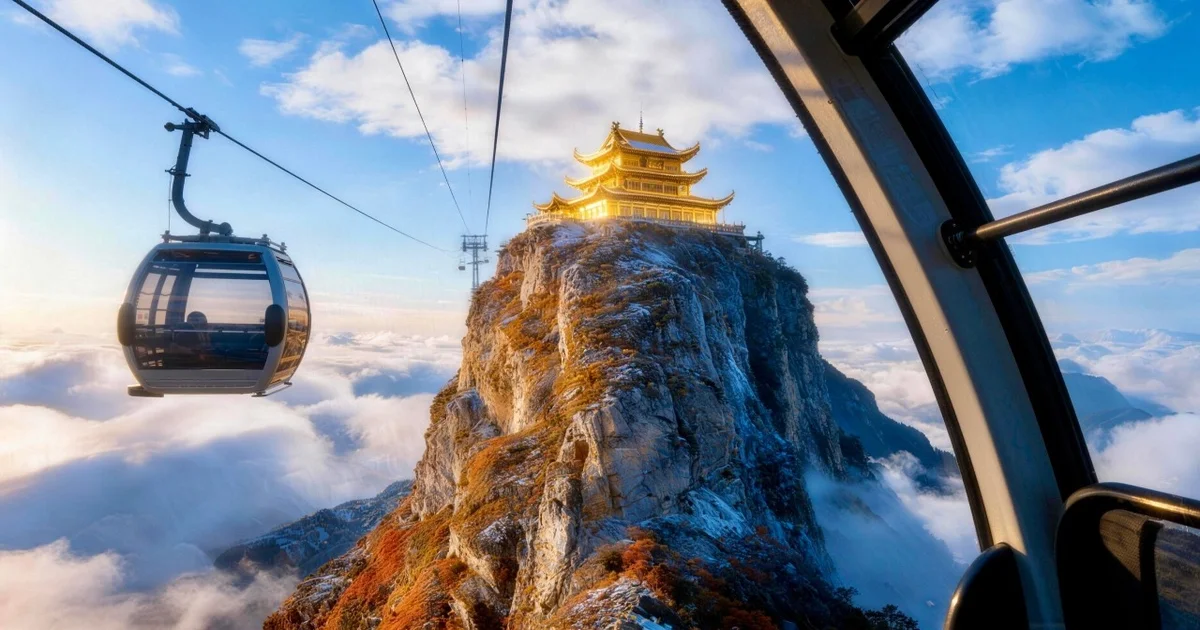
12:35 Mount Emei: The Buddhist Peak Where Monkeys Guard the Trail
 9:14
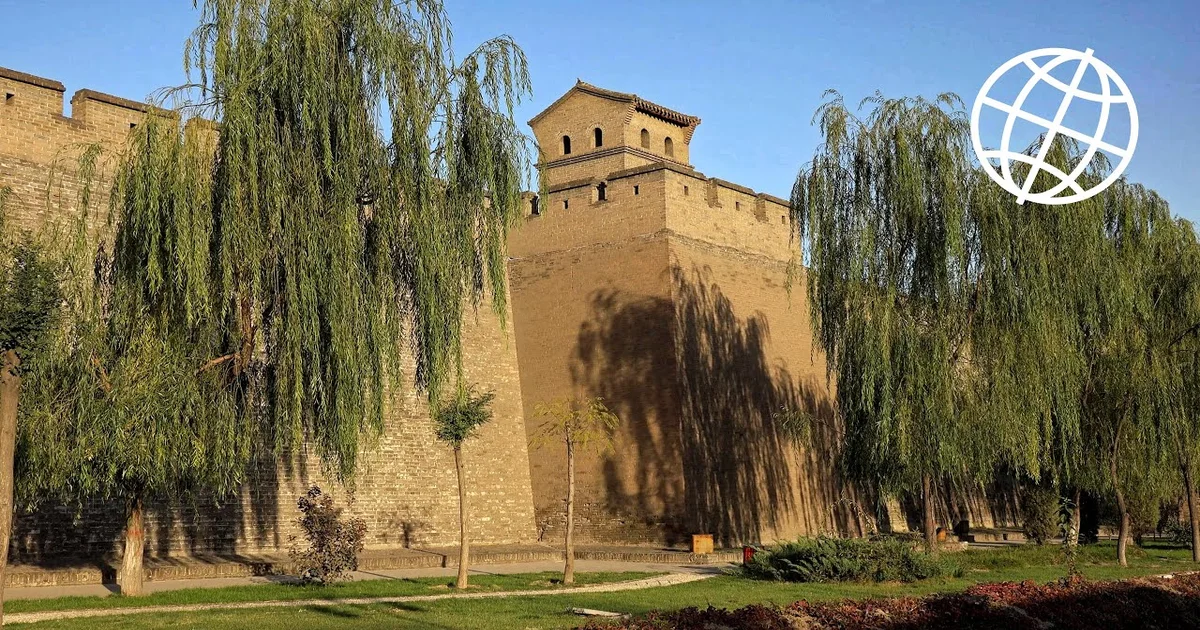
9:14 Pingyao Ancient City: The Best-Preserved Ming Dynasty Walled Town
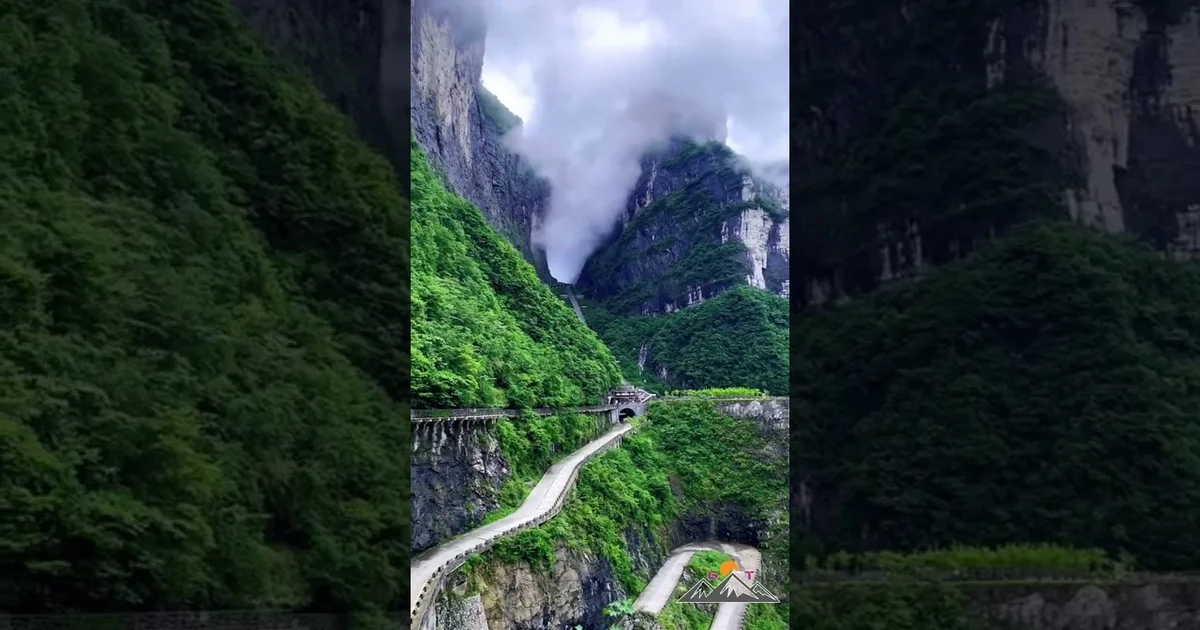
Zhangjiajie: The Real Floating Mountains That Inspired Avatar
Recommended Products
Products related to this topic, automatically recommended by Amazon:
As an Amazon Associate, we earn from qualifying purchases.