Zhangjiajie: The Real Floating Mountains That Inspired Avatar
Stone Pillars That Defy Explanation
Rising from the mist of Hunan province, more than three thousand sandstone pillars pierce the canopy of Zhangjiajie National Forest Park. Some stand over 400 meters tall — narrow, top-heavy columns of rock that seem to ignore gravity itself. Geologists call them quartzite sandstone pillars, carved by 380 million years of water and wind. Locals have always called them something simpler: the floating mountains.
The science behind the pillars is straightforward enough. Tectonic uplift pushed ancient seabed skyward, and millennia of rain carved away the softer rock between cracks, leaving the harder stone standing alone. What science cannot quite explain is why they look the way they do — impossibly slender, draped in vegetation, hovering in the fog like something unfinished by the hand that made them.
When Hollywood Came Calling
In 2009, James Cameron’s Avatar turned these pillars into a global icon. The film’s Hallelujah Mountain was directly inspired by Zhangjiajie’s Southern Sky Column, and the park wasted no time capitalizing on the connection. In 2010, the column was officially renamed “Avatar Hallelujah Mountain” — a decision that sparked debate about commercialization, cultural identity, and the tension between preservation and prosperity.
The renaming was controversial. Critics argued that a Chinese natural wonder should not be defined by a Hollywood franchise. Supporters pointed out that Avatar brought millions of dollars in tourism to a region that desperately needed it. The debate itself reveals something essential about modern China: the collision between ancient landscape and global media is not a bug but a feature of the current moment.
Walking the Glass Bridge
In 2016, Zhangjiajie opened the world’s longest and highest glass-bottomed bridge, stretching 430 meters across a canyon 300 meters deep. The experience is deliberately, almost sadistically, thrilling. Every step is transparent. The valley yawns below your boots.
The bridge was designed by architect Haim Dotan to be invisible from a distance — a whisper of glass suspended between two cliffs. Up close, it is anything but. Wind moves the structure just enough to remind you where you are.
The Tujia People’s Mountain
Long before Avatar or glass bridges, the Tujia people lived in these valleys. Their stilted wooden houses, woven brocade, and baishou dance predate the park by centuries. The Tujia name for the pillars translates roughly to “the stones that grow from the earth,” a description that captures the organic quality these formations share with living things.
Tourism has reshaped Tujia life — some villages now exist primarily as cultural exhibits — but the underlying relationship between people and mountain remains. In Tujia cosmology, every peak has a spirit. Whether you call it Hallelujah Mountain or something older, the spirit is still watching.
Explore more: Yellow Mountain’s sea-of-clouds landscapes · the guqin’s nature-inspired melodies
Sources: Zhangjiajie on Wikipedia
You May Also Like
 7:22
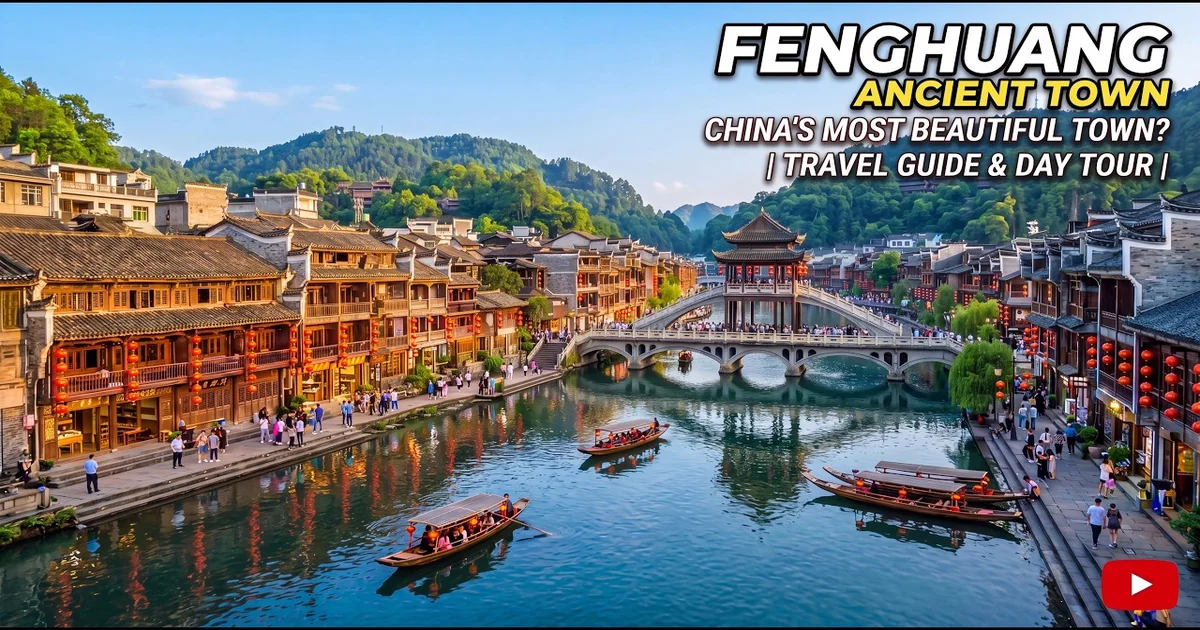
7:22 Fenghuang Ancient Town: China's Most Beautiful Riverside Village
 12:35
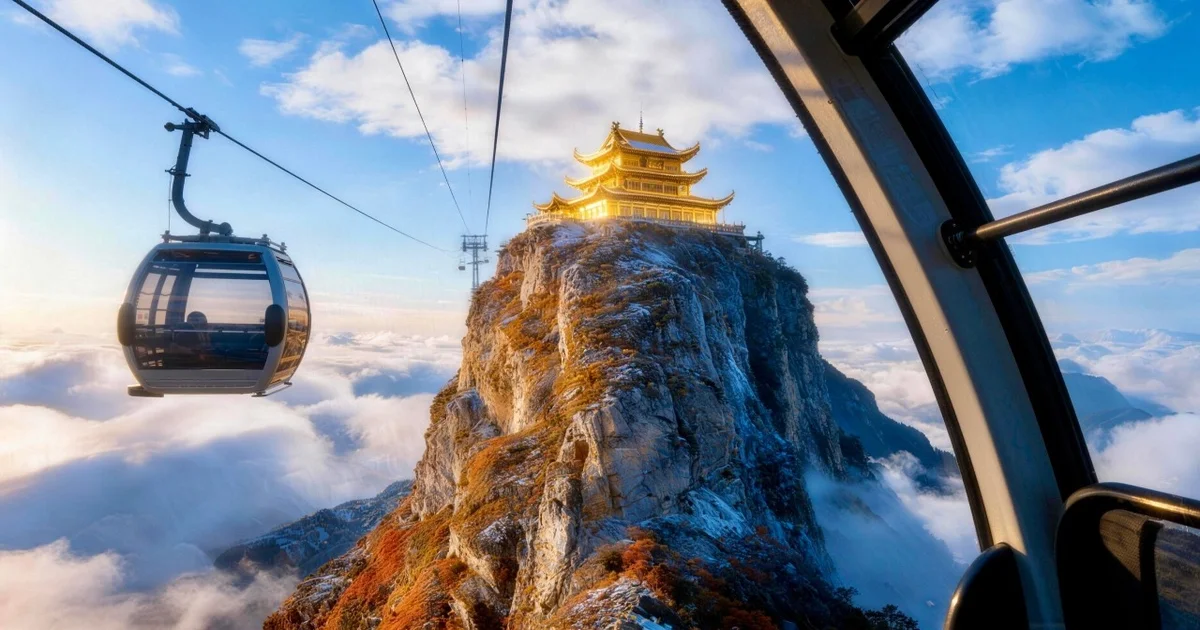
12:35 Mount Emei: The Buddhist Peak Where Monkeys Guard the Trail
 9:14
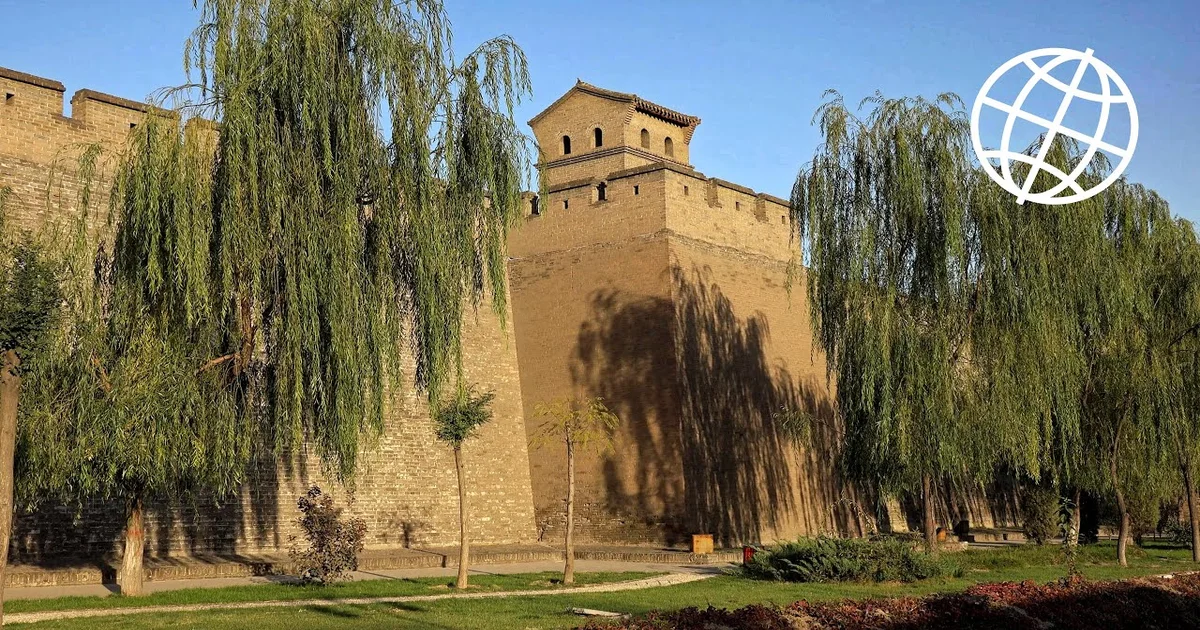
9:14 Pingyao Ancient City: The Best-Preserved Ming Dynasty Walled Town
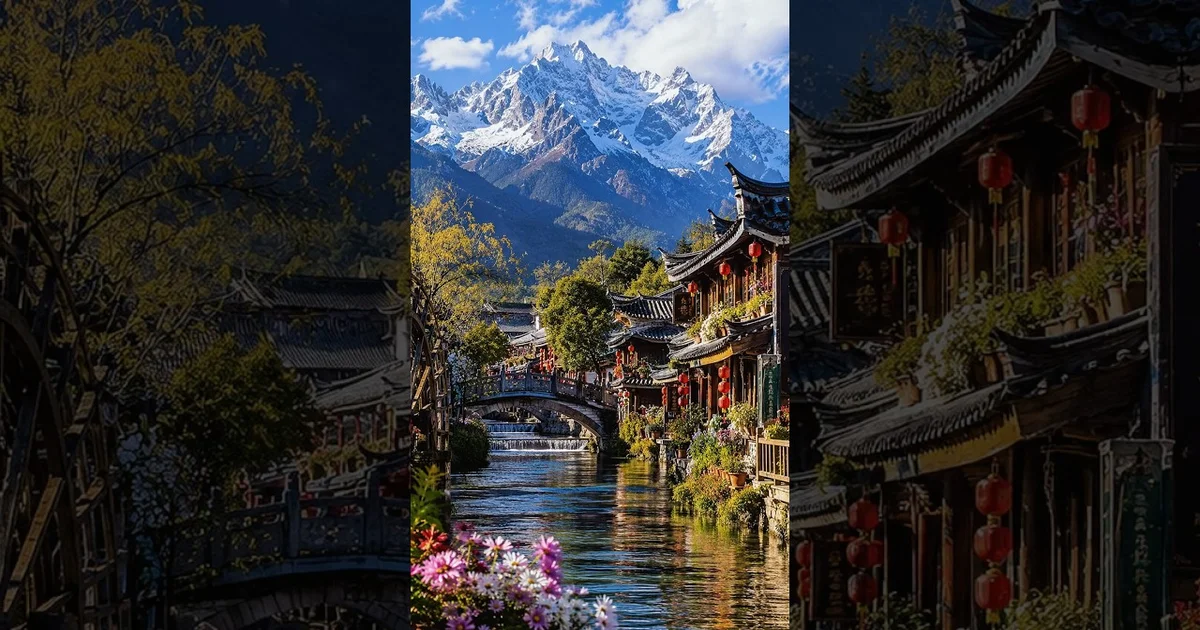
Lijiang — The Most Beautiful Ancient Town Beneath Jade Dragon Snow Mountain
Recommended Products
Products related to this topic, automatically recommended by Amazon:
As an Amazon Associate, we earn from qualifying purchases.