Jiuzhaigou — The Valley So Beautiful China Made It a National Park Twice
A Valley That Defies Belief
The first time you see Jiuzhaigou’s water, you assume someone has added dye. The lakes are impossibly turquoise — a shade of blue-green that exists nowhere else in nature at this scale. Then you look closer and see the bottom: fallen trees preserved underwater for decades, their branches forming ghostly silhouettes through 30 meters of crystalline water. No dye. Just mineral-rich water filtered through ancient limestone over millennia.
Jiuzhaigou Valley (九寨沟) sits in the Minshan Mountains of northern Sichuan, at elevations between 2,000 and 3,100 meters. The name means “Valley of Nine Villages” — referring to the nine Tibetan villages that have occupied this valley for over 1,000 years. The Tibetan name is Zitsok Dzayul.
108 Lakes, Each Impossible
The valley contains 108 lakes, arranged in terraces that cascade down the mountainside like a staircase built by gods. The most famous:
- Five Flower Lake — a single lake with five distinct colors (turquoise, emerald, sapphire, amber, and jade) caused by varying mineral concentrations at different depths
- Pearl Shoal Waterfall — water cascading over a 310-meter-wide calcite shelf, creating a curtain of pearl-like droplets
- Nuorilang Waterfall — at 24 meters high and 270 meters wide, the widest high-altitude waterfall in China
- Long Lake — the deepest lake in the valley at 103 meters, so blue it looks like a sapphire set into the mountain
The Pandas
Jiuzhaigou is one of the last habitats of the giant panda. Roughly 30 pandas live in the valley’s bamboo forests — one of the highest concentrations outside dedicated reserves. Visitors occasionally spot them, though the pandas wisely avoid the tourist boardwalks and stay in the remote upper valleys.
The valley also shelters the Sichuan golden snub-nosed monkey — a primate with a face so blue it appears to be wearing stage makeup, and a coat of golden fur that would make any fashion designer jealous.
Earthquake and Resurrection
On August 8, 2017, a magnitude 7.0 earthquake struck Jiuzhaigou. Nuorilang Waterfall cracked. Sparkling Lake drained. Five Flower Lake’s water turned murky. The park closed for reconstruction.
What happened next surprised everyone. Within two years, the water began clearing. New travertine formations started growing. By the time the park partially reopened in 2019, many of the lakes had returned to their original colors. Nature had been healing itself for millennia; it did not need much time to start again.
Jiuzhaigou fully reopened in 2021, and today it draws over 2 million visitors annually — all of them standing at the edge of turquoise water, asking the same question: is this real?
Discover China’s natural wonders at HuaxiaInk
Internal links:
- Zhangjiajie: The Real Floating Mountains That Inspired Avatar
- Yellow Mountain — The Real-Life Ink Painting You Can Walk Through
External references:
You May Also Like
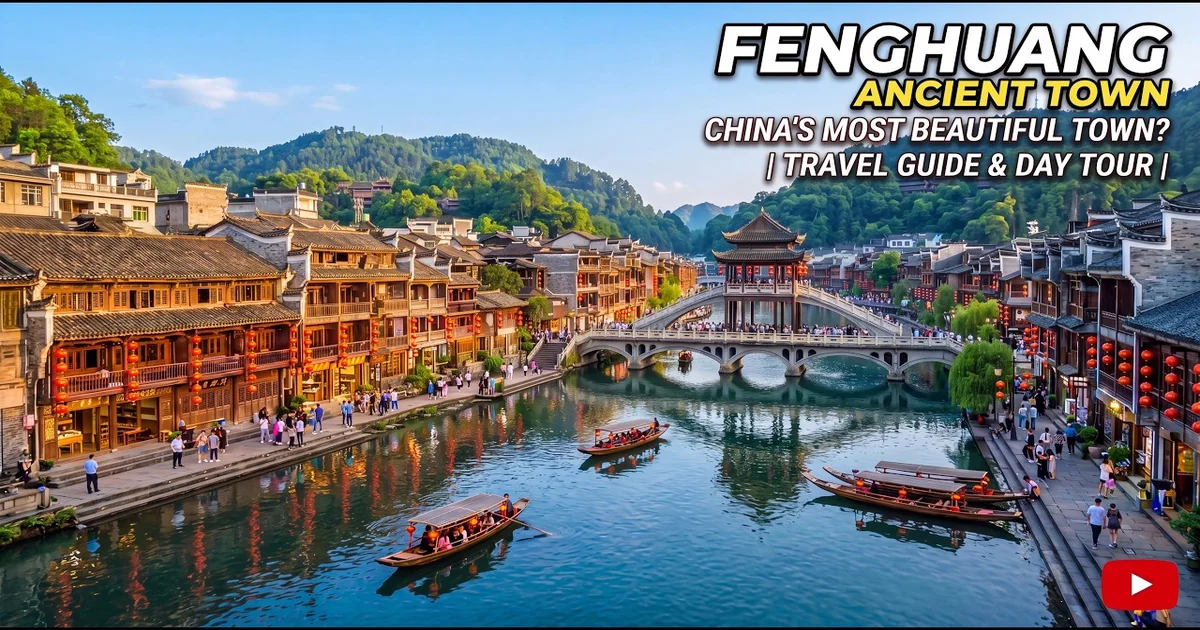 7:22
7:22 Fenghuang Ancient Town: China's Most Beautiful Riverside Village
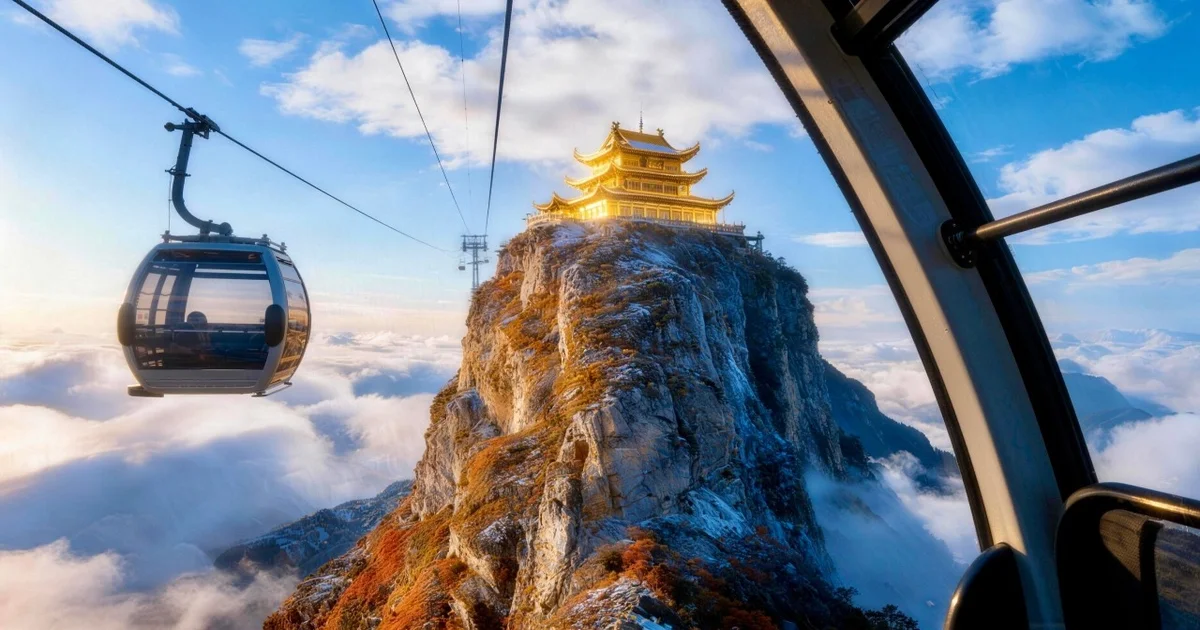 12:35
12:35 Mount Emei: The Buddhist Peak Where Monkeys Guard the Trail
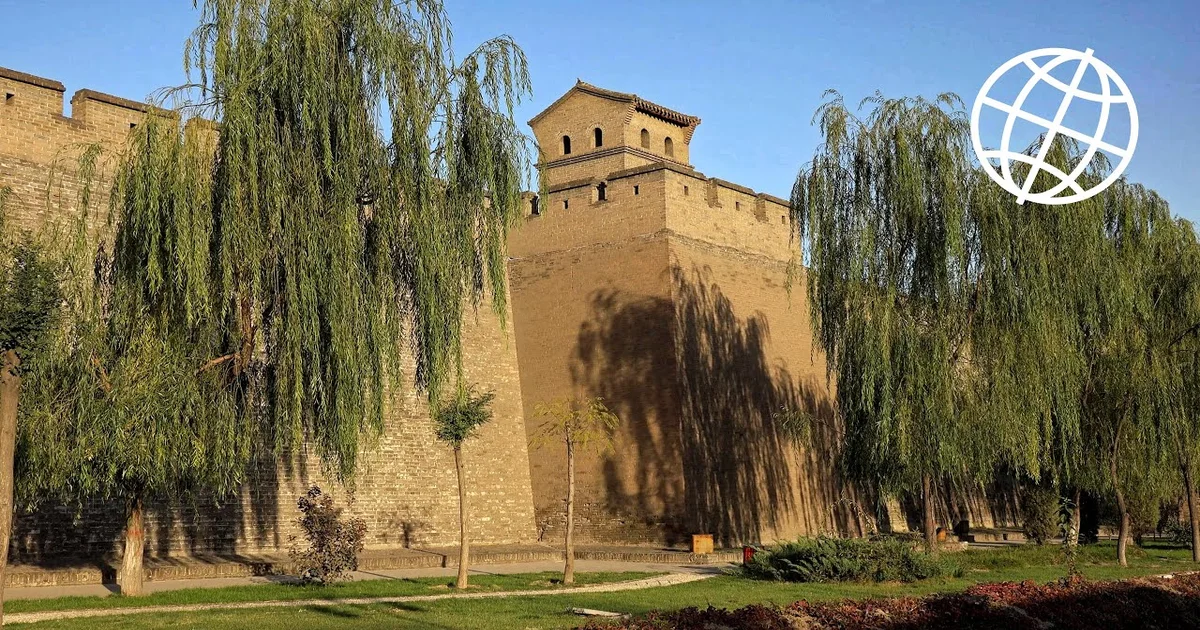 9:14
9:14 Pingyao Ancient City: The Best-Preserved Ming Dynasty Walled Town
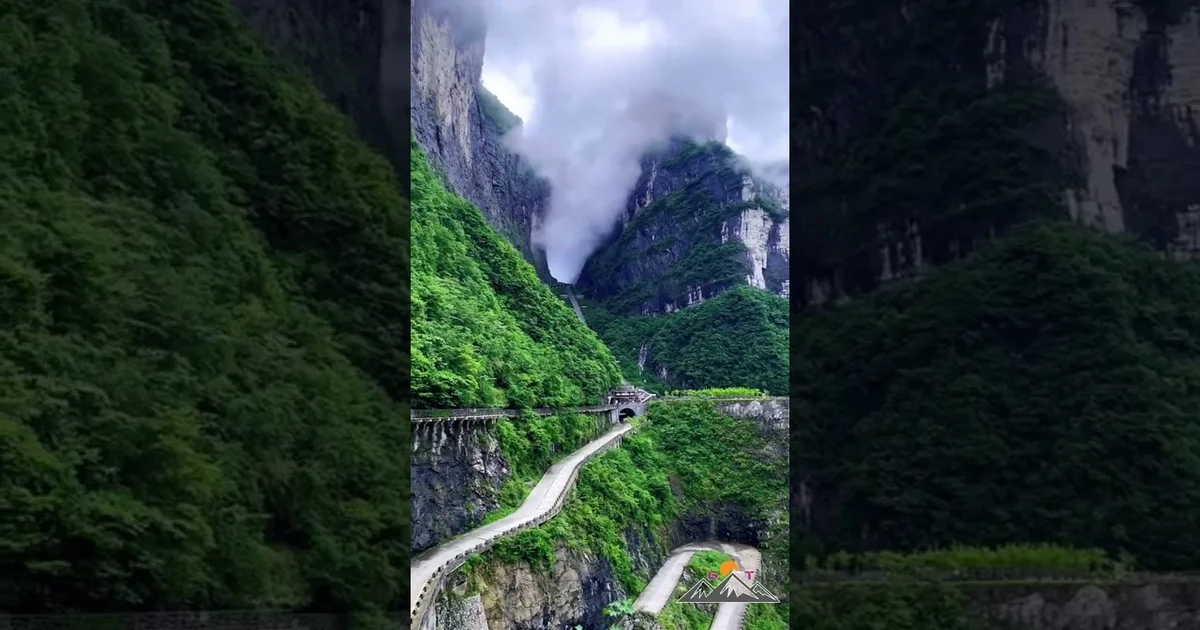
Zhangjiajie: The Real Floating Mountains That Inspired Avatar
Recommended Products
Products related to this topic, automatically recommended by Amazon:
As an Amazon Associate, we earn from qualifying purchases.