Shaw Brothers — How a Movie Studio Invented Kung Fu Cinema
The Factory That Made a Genre
In 1958, Runme Shaw opened Movietown — a 46-acre studio complex in Clear Water Bay, Hong Kong, with permanent sets for streets, temples, and palaces, its own processing lab, and dormitories for actors who were under exclusive contract. By the 1970s, Shaw Brothers was producing 40 films a year. Most of them were martial arts movies. All of them looked gorgeous.
The Shaw Brothers aesthetic was unmistakable: saturated colors, elaborate costumes, theatrical violence, and acrobatic choreography staged with the precision of a dance company. Director Chang Cheh pioneered the “yanggang” (masculine) style — blood-soaked revenge tragedies where heroes died nobly. Director Lau Kar-leung brought real kung fu pedigrees to the screen, casting actual martial artists and filming their techniques at full speed.
One-Armed Swordsman Changed Everything
In 1967, One-Armed Swordsman became the first Hong Kong film to earn HKD1 million at the local box office. It established the template: a wronged hero, a devastating injury, a grueling training montage, and a climactic revenge delivered with impossible skill. The one-armed swordsman was vulnerable and unstoppable at the same time — a contradiction that audiences found irresistible.
The Venoms and the Legacy
The Five Deadly Venoms (1978) is the Shaw Brothers film that became a cult obsession in the West. Five students trained in different venom styles — centipede, snake, scorpion, lizard, toad — must find their poisoned master’s hidden treasure. The plot is simple. The fighting is extraordinary. Each venom style is a distinct martial art with its own choreography, philosophy, and weakness.
The Shaw Brothers’ influence is everywhere: the Wachowskis cited them as inspiration for The Matrix. Tarantino lifted entire sequences for Kill Bill. Hip-hop culture adopted kung fu imagery from Shaw Brothers VHS tapes that circulated in 1980s New York. The studio closed in 1985, but the genre it created is immortal.
Why the Movies Matter
Shaw Brothers films are not documentaries. The martial arts they show are exaggerated, theatrical, and often physically impossible. But they captured something real about Chinese martial arts culture: the discipline, the lineage, the ethos of self-perfection through physical practice. The movies were not the real thing. But they made the real thing visible to the entire world.
You May Also Like
 4:21
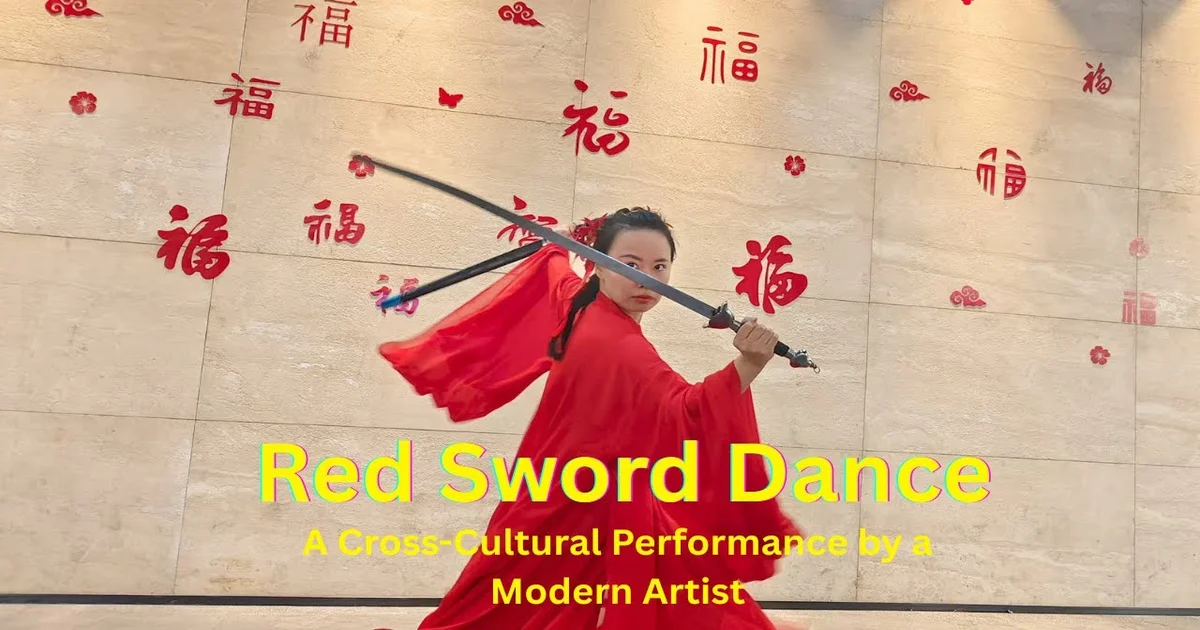
4:21 Chinese Sword Dance: Where Martial Arts Meets Poetry in Motion
 8:02
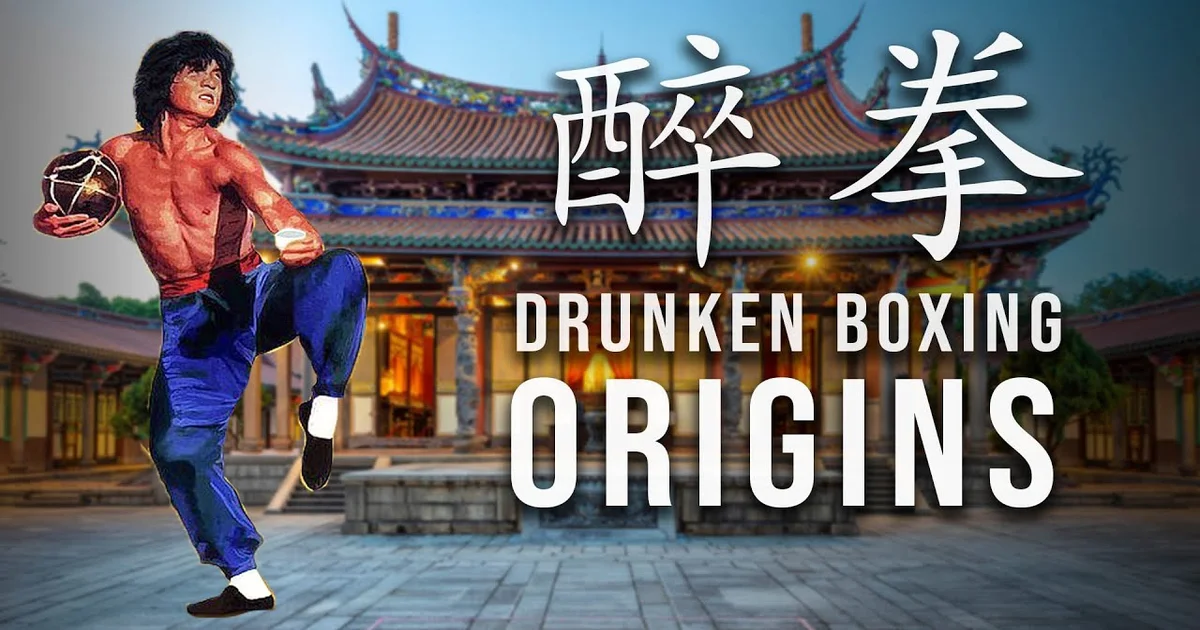
8:02 Drunken Fist Kung Fu: The Martial Art That Pretends to Be Drunk
 6:10
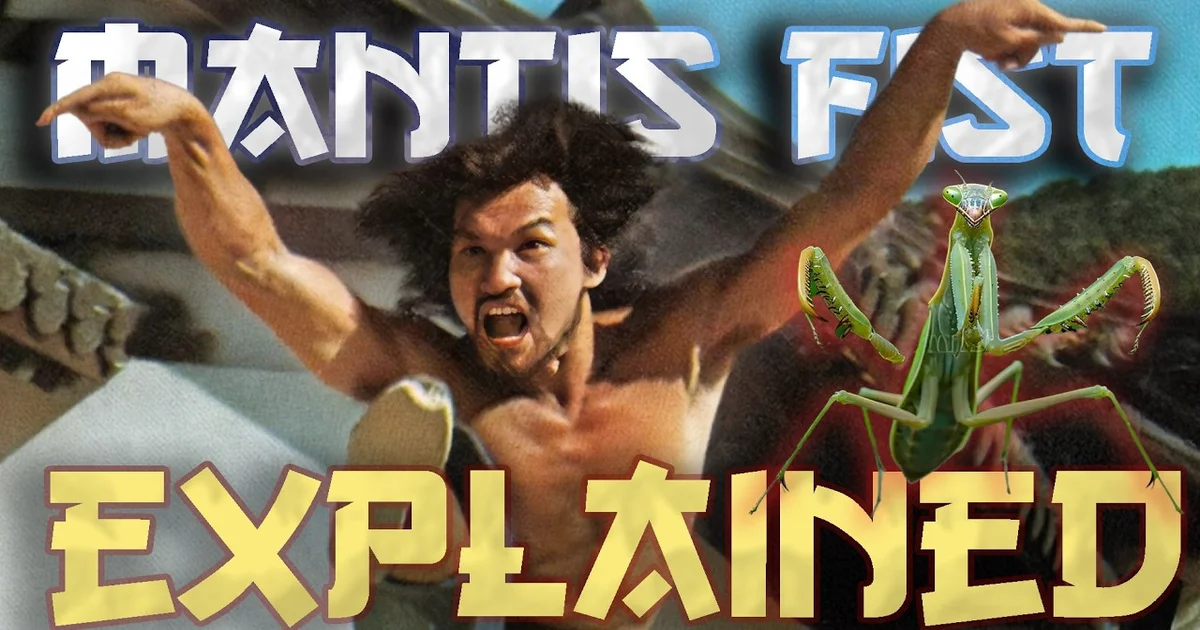
6:10 Praying Mantis Kung Fu: The Insect-Inspired Fighting System
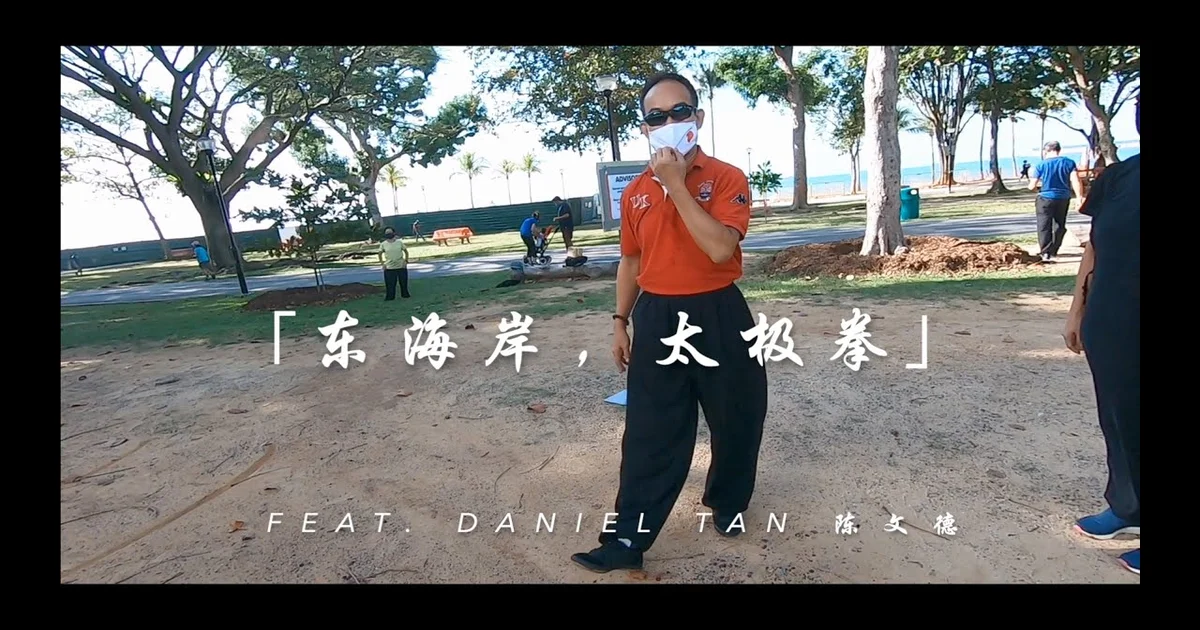
The Philosophy of Tai Chi: Movement as Meditation
Recommended Products
Products related to this topic, automatically recommended by Amazon:
As an Amazon Associate, we earn from qualifying purchases.