Drunken Fist Kung Fu: The Martial Art That Pretends to Be Drunk
Watch a Drunken Fist practitioner sway, stumble, and lurch across the training floor — and you might think they have had too much rice wine. But every wobble is a calculated deception, every fall a trap. Zui Quan (醉拳), or Drunken Fist, is one of Chinese martial arts’ most theatrical and effective styles.
Origins: Eight Immortals and Forbidden Techniques
The legendary origin of Zui Quan traces back to the Eight Immortals of Taoist mythology — eight supernatural beings, each with a distinct personality and fighting style, all depicted as delightfully inebriated. The martial art codified these mythological movements into a combat system.
Historical records suggest Zui Quan emerged as a formal style during the Song Dynasty, though its roots may be older. Some accounts credit the style to the monk Ji Qian, who allegedly disguised devastating techniques as drunken stumbling to avoid persecution — enemies would underestimate a “drunk” fighter.
The Eight Drunken Forms
Zui Quan is built around Eight Drunken Immortal Forms, each imitating a different immortal:
- Lu Dongbin — swaying sword-hand strikes
- Tieguai Li — one-legged hops and crutch-like blocks
- He Xiangu — graceful, spiraling evasions
- Han Xiangzi — sweeping, sideways falls into counterattacks
- Cao Guojiu — powerful palm strikes from unstable stances
- Zhang Guolao — backward tumbles into kicks
- Han Zhongli — sudden falls into ground techniques
- Lan Caihe — unpredictable spinning attacks
Each form teaches fighters to use instability as a weapon. When opponents expect a stationary target, they receive a spinning backfist from a “falling” fighter who was never off-balance to begin with.
Fighting Philosophy
The core principle of Zui Quan is deception through apparent vulnerability. A practitioner stumbles to draw an attack, then redirects the opponent’s force while “falling” into a devastating counter. The style emphasizes low stances, ground fighting, and explosive power generated from seemingly impossible positions.
Unlike the rigid structure of Shaolin kung fu or the centered calm of Tai Chi, Zui Quan is chaotic by design. Its unpredictability is its greatest asset — opponents cannot anticipate the next move because the practitioner appears not to know it either.
Jackie Chan and Global Fame
No one did more to popularize Zui Quan than Jackie Chan. His 1978 film Drunken Master transformed the style from a niche martial art into a global pop culture phenomenon. Chan combined authentic Zui Quan techniques with comedic timing and acrobatics, creating fight choreography that remains influential decades later.
Modern wushu competitions include Zui Quan as a performance category, and practitioners worldwide study its forms both for self-defense and artistic expression. A training ring for wrist strength is an excellent starting point for anyone curious about this extraordinary art.
You May Also Like
 4:21
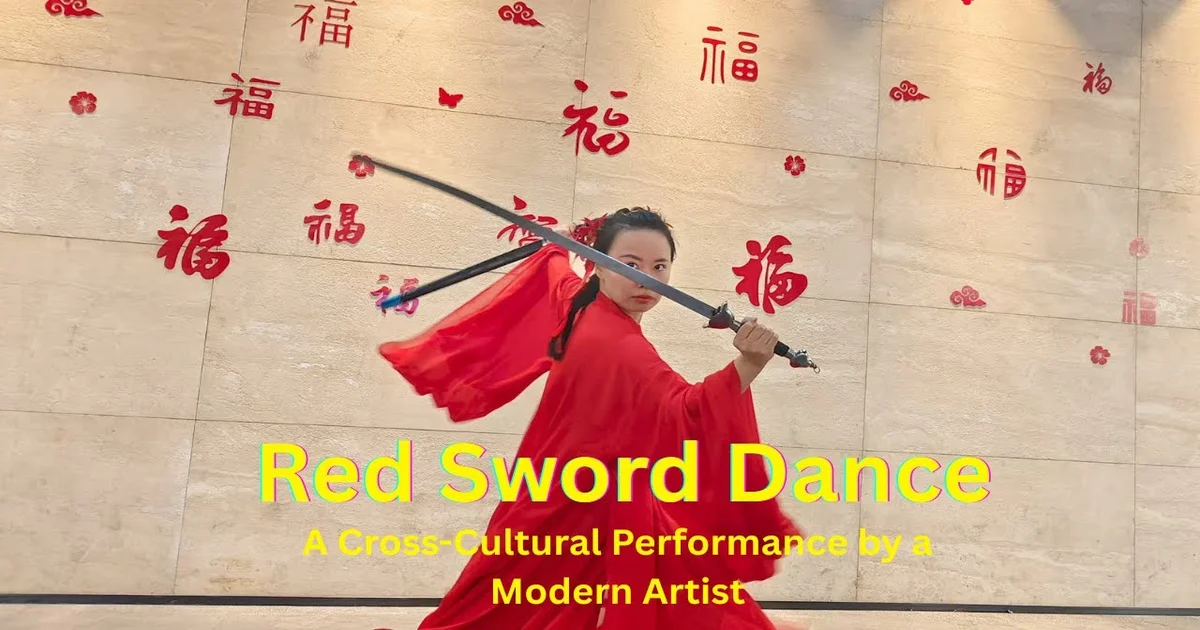
4:21 Chinese Sword Dance: Where Martial Arts Meets Poetry in Motion
 6:10
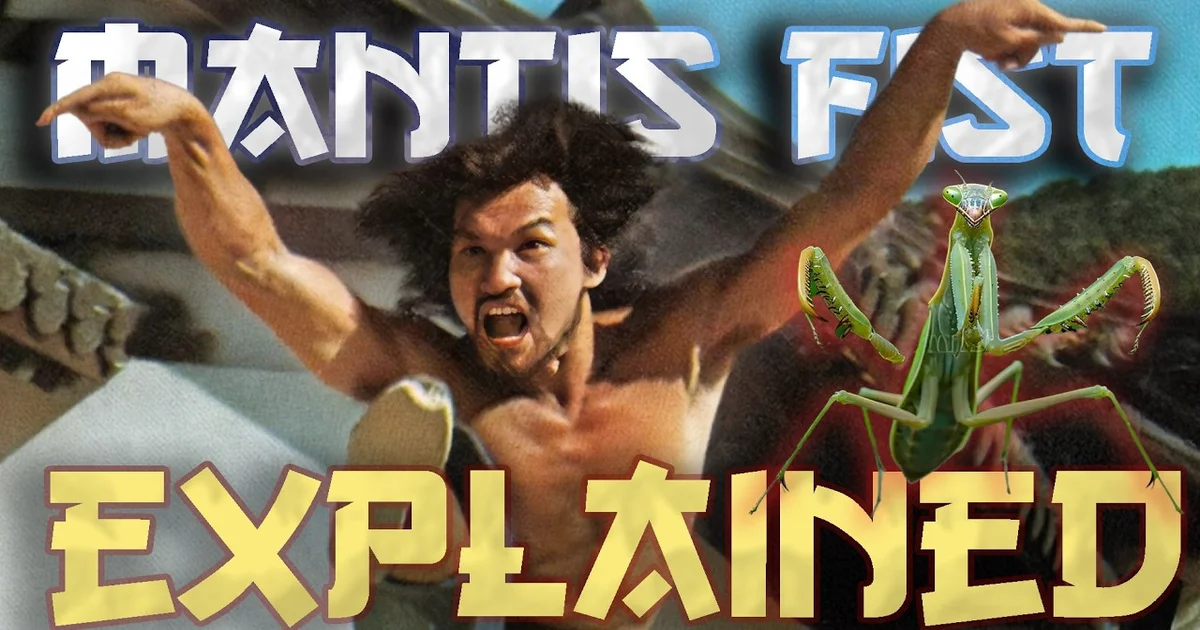
6:10 Praying Mantis Kung Fu: The Insect-Inspired Fighting System
The Philosophy of Tai Chi: Movement as Meditation
Emei Kung Fu — The Art of Peace from China's Sacred Mountain
Recommended Products
Products related to this topic, automatically recommended by Amazon:
As an Amazon Associate, we earn from qualifying purchases.