Shaolin Temple: The Birthplace of Kung Fu
The Origin of Kung Fu
In 495 CE, Emperor Xiaowen of the Northern Wei Dynasty built Shaolin Temple on the slopes of Mount Song in Henan Province. He intended it as a residence for the Indian monk Batuo, who had come to China to spread Buddhism. But what happened next would change martial arts history forever.
The Monk Who Made Monks Fight
In the early 6th century, another Indian monk arrived — Bodhidharma (达摩). According to legend, he meditated in a cave above the temple for nine years, facing a wall, until his shadow was permanently cast into the rock. When he emerged, he found the Shaolin monks too weak to endure long meditation sessions. So he taught them a series of exercises — the Yijinjing (易筋经, Muscle-Tendon Change Classic) and Xisuijing (洗髓经, Marrow-Washing Classic).
These exercises were originally for health, not combat. But monks living in remote mountains needed to defend themselves against bandits and wild animals. Over centuries, the exercises evolved into a fighting system — Shaolin Kung Fu (少林功夫).
The 72 Arts of Shaolin
Shaolin Kung Fu is not one style. It is an encyclopedia of combat. The famous 72 Consummate Arts include:
- Iron Fist — striking iron plates thousands of times until the fist can break stone
- Iron Shirt — conditioning the body to withstand blades and blunt force
- Light Skill (Qinggong) — the legendary ability to run across water or leap onto rooftops
- One-Finger Zen — striking with a single finger with devastating precision
Each art requires years of conditioning. A monk might spend a decade on just one technique.
Why Shaolin Still Matters
Today, Shaolin Temple is both a UNESCO World Heritage site and a controversial commercial enterprise. The abbot, Shi Yongxin, has been criticized for turning the temple into a global brand with franchised schools and stage shows. But the core remains: every year, thousands of students from around the world travel to Dengfeng to train at Shaolin, seeking the same transformation that Bodhidharma promised 1,500 years ago — that the body can be forged into something far beyond its natural limits.
The Cultural Significance
Shaolin represents something uniquely Chinese: the fusion of spiritual cultivation (Buddhism) with physical mastery (martial arts). In Western culture, the mind and body are typically trained separately. In the Shaolin tradition, they are one path. A punch is also a meditation. A stance is also a prayer.
Read more about Chinese cultural traditions at HuaxiaInk
Internal links:
External references:
You May Also Like
 4:21
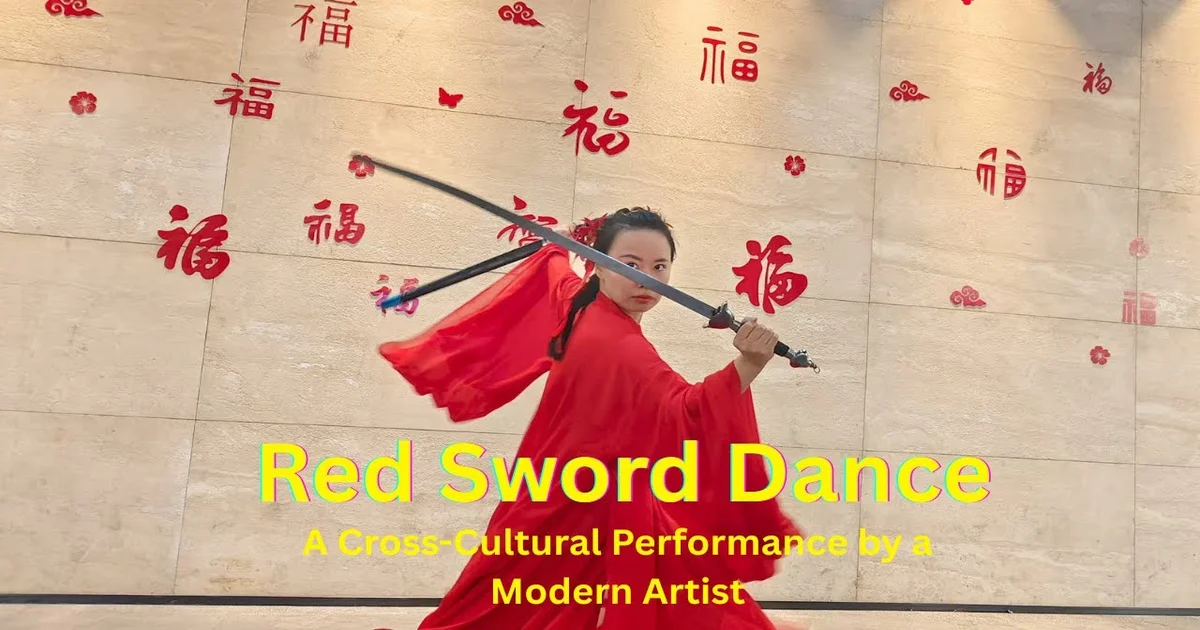
4:21 Chinese Sword Dance: Where Martial Arts Meets Poetry in Motion
 8:02
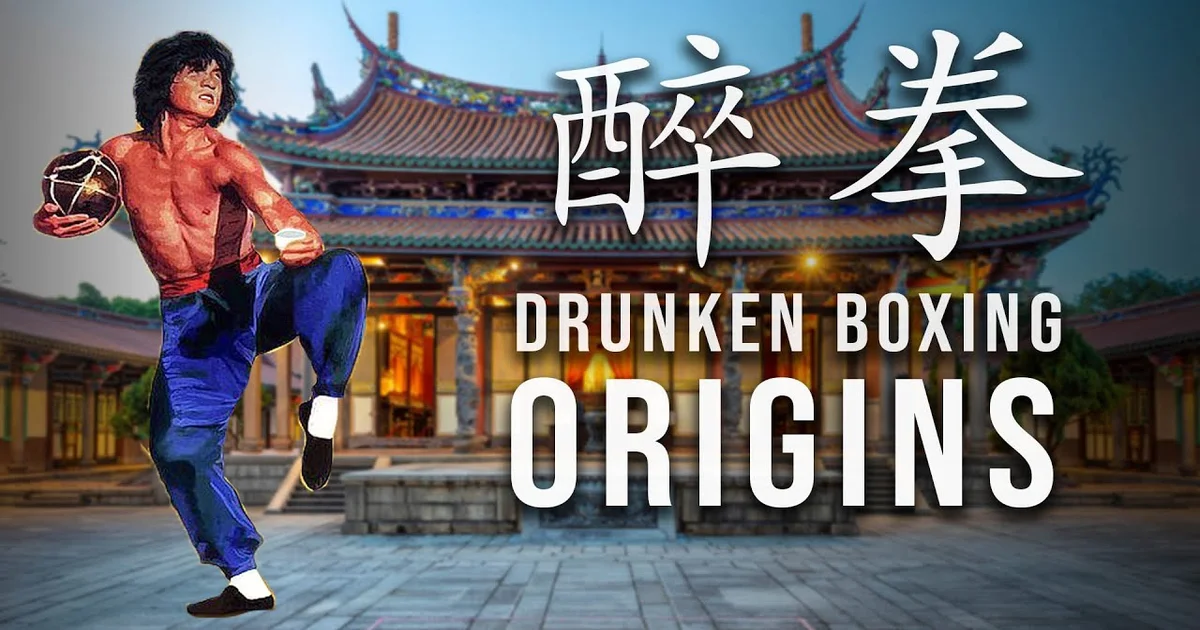
8:02 Drunken Fist Kung Fu: The Martial Art That Pretends to Be Drunk
 6:10
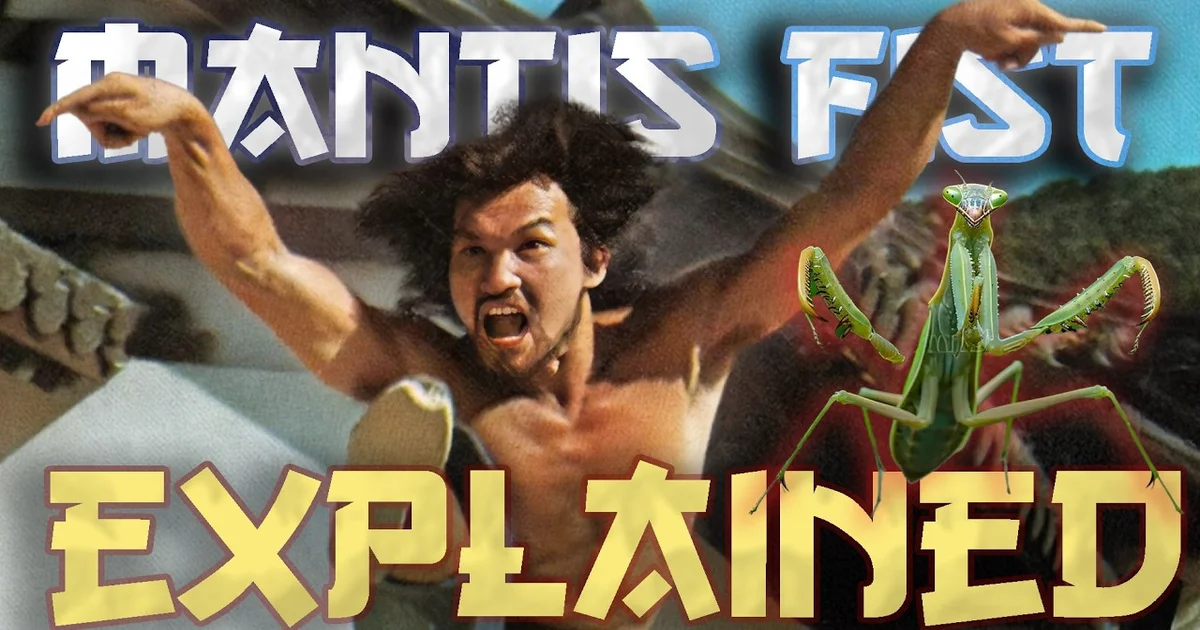
6:10 Praying Mantis Kung Fu: The Insect-Inspired Fighting System
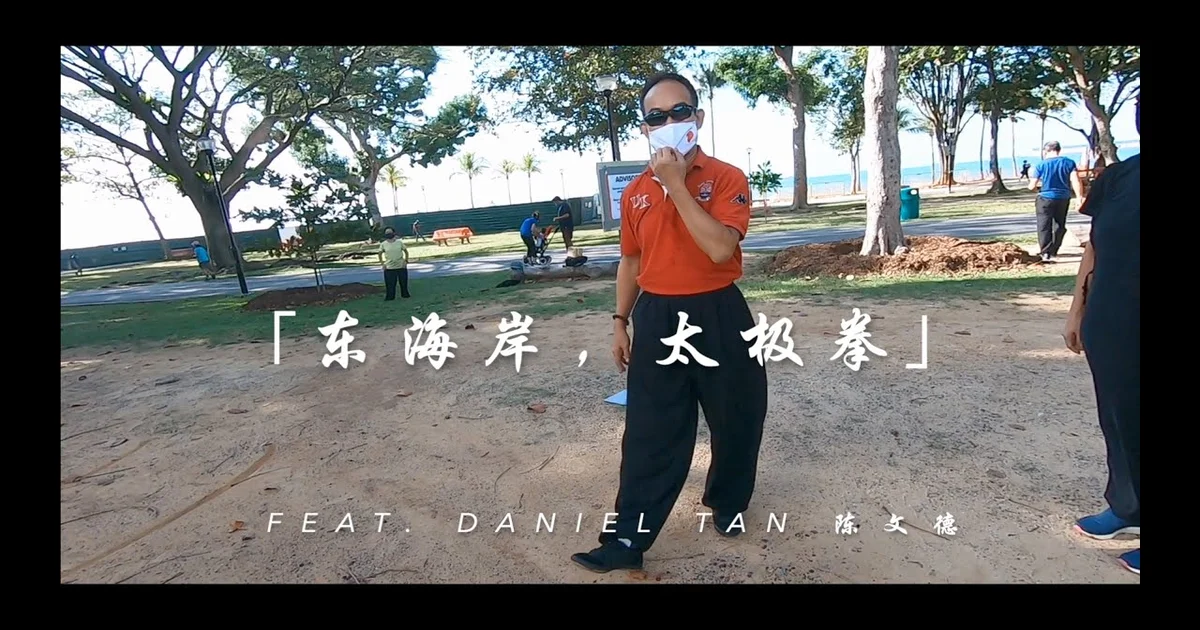
The Philosophy of Tai Chi: Movement as Meditation
Recommended Products
Products related to this topic, automatically recommended by Amazon:
As an Amazon Associate, we earn from qualifying purchases.