Zhajiangmian — The Bowl of Noodles That Defines Beijing More Than Peking Duck
The Real Taste of Beijing
Ask a tourist what defines Beijing cuisine, and they will say Peking duck. Ask a Beijinger, and they will say zhajiangmian (炸酱面) — “fried sauce noodles.” This is the dish that appears on every family table, every neighborhood restaurant, every late-night food stall. It is not fancy. It is not photogenic. It is home.
Zhajiangmian is deceptively simple: boiled wheat noodles topped with a dark, savory sauce made from fermented soybean paste (黄酱, huangjiang) and ground pork, garnished with a handful of fresh vegetables. But the simplicity is an illusion. The sauce alone can take hours to prepare, and every Beijinger’s grandmother has a recipe she considers superior to all others.
The Sauce That Takes All Day
The zha jiang (炸酱, “fried sauce”) is the heart of the dish, and it is not actually fried. It is slow-stirred:
- Huangjiang — fermented yellow soybean paste, aged for months, is the base. Some recipes add tianmianjiang (甜面酱, sweet bean paste) for balance.
- Ground pork — stir-fried until the fat renders, then the paste goes in.
- Low heat, constant stirring — for 20–30 minutes, the cook must stir continuously. The sauce transforms from chunky to glossy, from raw-bean-flavored to deeply savory. This is where skill lives.
- The oil separation — when the sauce is done, the oil rises to the top, creating a glossy cap. A proper zhajiangmian sauce has visible oil floating on top — this is the sign of a well-made batch.
The Toppings Code
Zhajiangmian is always served with mianmao (面码儿) — fresh vegetable toppings. The traditional Beijing lineup includes:
- Cucumber julienned — cool crunch against the hot sauce
- Bean sprouts — blanched, adding freshness
- Soy beans — green edamame for protein and color
- Celery — diced small for aromatic bite
The vegetables are not optional. They are structural: without them, the dish would be a heavy, salty bowl of noodles. With them, it becomes balanced — each bite alternates between rich sauce and crisp vegetable.
200 Years of a Working-Class Staple
Zhajiangmian’s history traces to the Qing Dynasty (1644–1912), when it was the everyday meal of Beijing’s working class — cart drivers, rickshaw pullers, market vendors who needed cheap, filling food. The fermented paste was cheap. The noodles were cheap. The pork was minimal. But the flavor was extraordinary.
During the 20th century, zhajiangmian became the definitive comfort food of North China. Every northern city has its version: Tianjin uses more sweet paste; Shanxi adds vinegar; Shandong goes heavier on the pork. But the Beijing version remains the standard — the one that a Beijinger abroad will crave at 2 AM and no restaurant can quite reproduce.
Explore more Chinese culinary traditions at HuaxiaInk
Internal links:
- Peking Duck — From the Emperor’s Kitchen to the World’s Table
- Hand-Pulled Noodles: The 3,000-Year Art of Stretching Dough
External references:
You May Also Like
 6:20
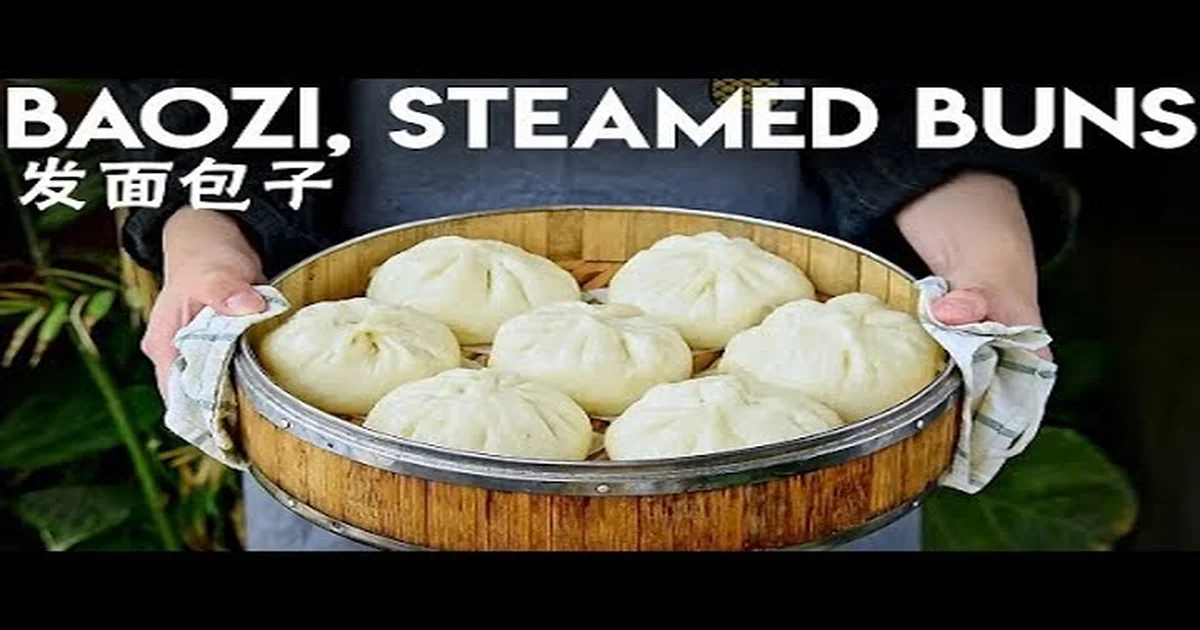
6:20 Baozi: China's Beloved Steamed Buns That Feed a Nation
 4:48
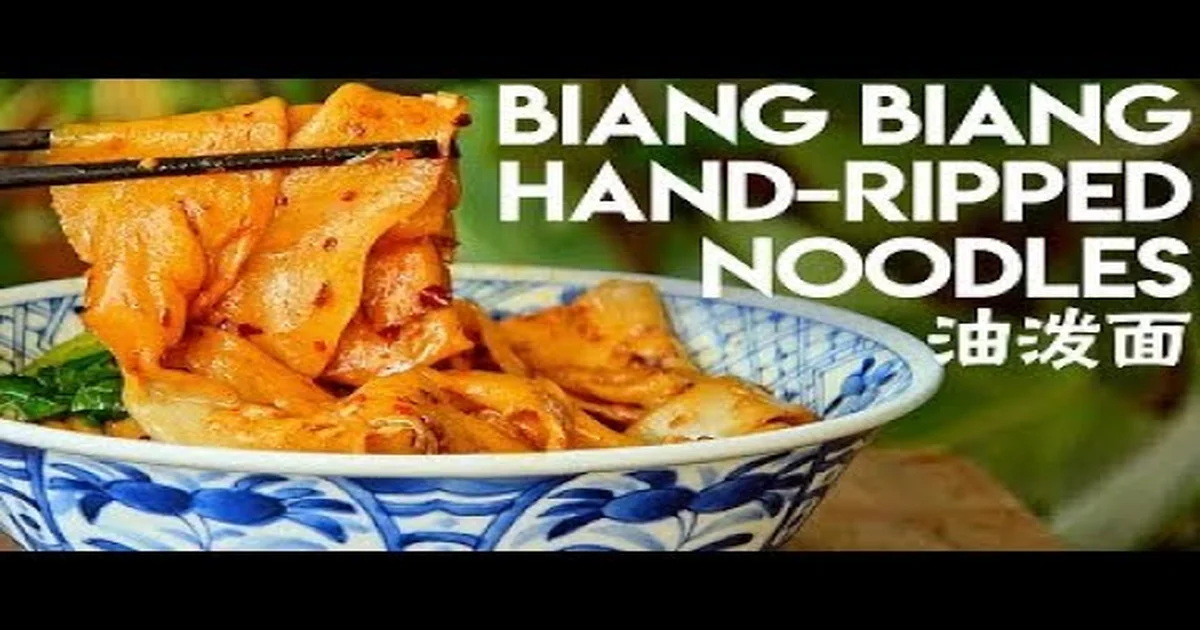
4:48 Biang Biang Noodles: The Belt-Like Noodles With China's Most Complex Character
 2:06
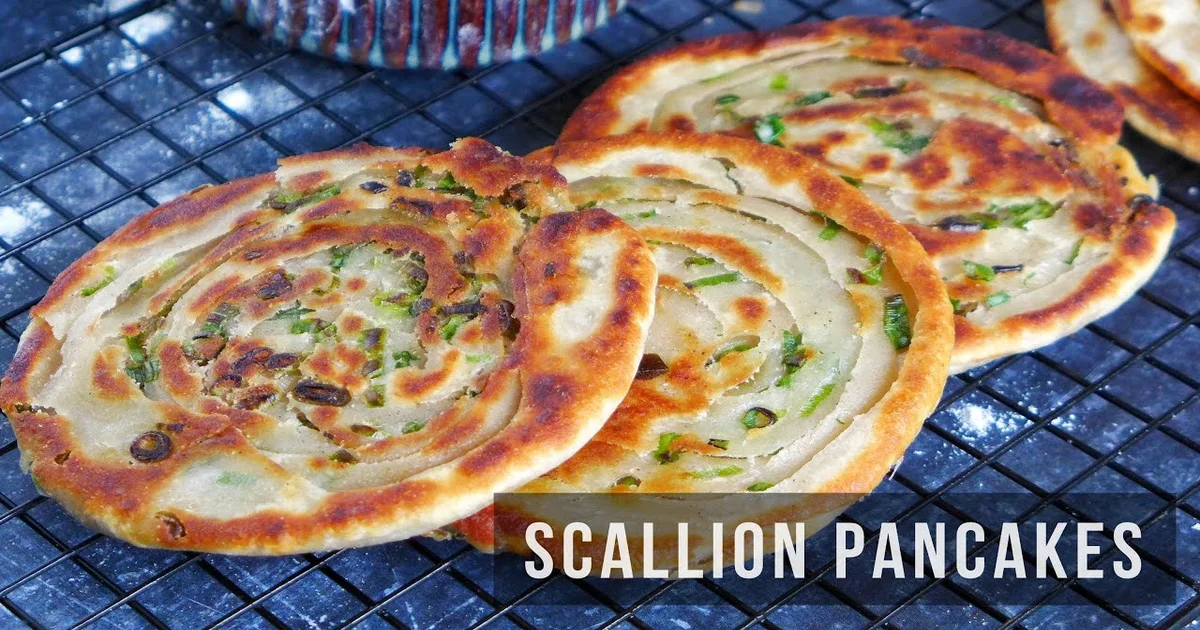
2:06 Scallion Pancakes (Cong You Bing): The Crispy, Flaky Chinese Street Classic
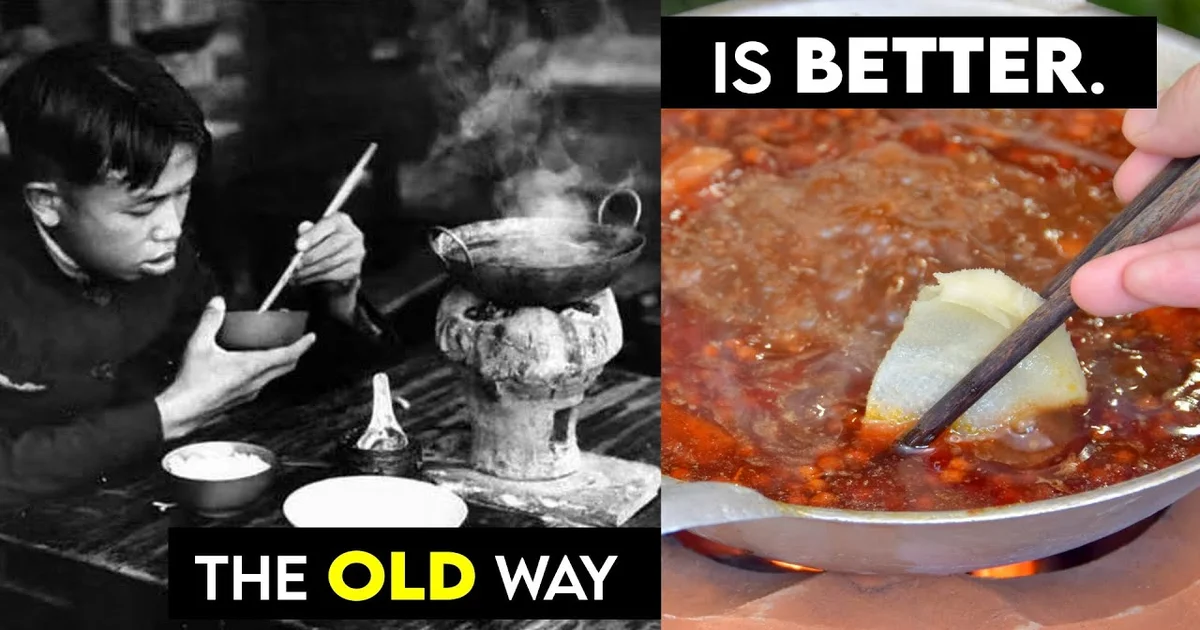
Sichuan Hot Pot — The Boiling Cauldron of Numb and Spice
Recommended Products
Products related to this topic, automatically recommended by Amazon:
As an Amazon Associate, we earn from qualifying purchases.