Sichuan Spice Story: How a Province Turned Pain Into Philosophy
A Deficit That Became a Signature
Sichuan is landlocked, mountainous, and historically poor — the kind of geography that produces tough, resourceful people and unlikely culinary genius. Before the 16th century, there was no chili in Sichuan. The province’s signature “numbing” flavor came entirely from Sichuan peppercorn (花椒), a native spice that produces a tingling, citrusy anesthesia on the tongue — an experience no other spice on Earth replicates.
Then the Portuguese arrived, carrying chili peppers from the Americas. Within a century, Sichuan had adopted the chili with the ferocity of a convert. The reasoning was practical: the basin’s humidity made food preservation difficult, and chili’s antimicrobial properties helped. But practice became identity. By the Qing Dynasty, Sichuan had fused its native peppercorn with the foreign chili into something the world had never tasted — mala (麻辣): numbing and spicy. Two kinds of pain, one philosophy.
The Map of Chili
Sichuan cuisine is not monolithic. The province is larger than France, and its food reflects the terrain. Chengdu, the capital, favors refined complexity — dishes like mapo tofu (麻婆豆腐), where silken bean curd swims in a sauce of fermented chili paste, ground beef, and enough Sichuan peppercorn to make your lips vibrate. It was invented in 1862 by a woman with a pockmarked face — “mapo” literally means “pockmarked grandmother” — and her recipe has survived virtually unchanged.
Chongqing — once part of Sichuan, now a separate municipality — goes harder. Its hot pot (火锅) is an inferno: a cauldron of rendered beef tallow, faced with dried chilies and Sichuan peppercorns, into which you dip thinly sliced meat, vegetables, and whatever else can survive the fire. The dividing wall between “mild” and “spicy” broth is not optional. It is a survival mechanism.
The countryside offers simpler but equally devastating dishes: smashed cucumber with garlic and chili oil, cold rabbit drenched in pepper sauce, fish boiled in a lake of red oil. The common thread is not heat itself but the skillful layering of multiple kinds of heat — the sharp bite of fresh chili, the slow burn of dried, the fermented depth of doubanjiang (豆瓣酱), and above all, that electric hum of Sichuan peppercorn.
The Paradox of Pleasure Through Pain
Mala presents a neurological puzzle. Capsaicin — the compound that makes chilies hot — binds to pain receptors on the tongue. The brain responds by releasing endorphins. Sichuan peppercorn’s hydroxyl-alpha-sanshool blocks certain nerve channels, producing tingling numbness. Together, they create a feedback loop: pain triggers pleasure chemicals, numbness resets the receptors, and the next bite hits with full force again.
Evolution designed pain to make you stop. Sichuan cuisine figured out how to make you continue. This is not an accident or a macho stunt — it is a culinary tradition that discovered, through centuries of experimentation, that human beings can learn to enjoy controlled suffering, and that this enjoyment goes deeper than simple taste.
The Wok as Instrument
Sichuan cooking happens at extreme heat. A proper wok (锅) reaches temperatures that would melt some metals, and the technique of chao (炒) — stir-frying — depends on this inferno. Ingredients go in, move fast, come out before they know what hit them. The wok hei (锅气), that elusive smoky char, is not just flavor — it is evidence that the fire won.
This is why the carbon steel wok matters. Non-stick pans cap out around 260°C. A seasoned carbon steel wok can hit 400°C. At that temperature, the Maillard reaction happens in seconds, not minutes. The surface sears, the inside stays juicy, and the entire kitchen smells like victory. Sichuan cooks don’t use high heat because they’re impatient. They use it because low heat is a different cuisine.
What the Spice Really Means
Sichuan’s relationship with spice is ultimately a relationship with adversity. This is a province that has survived warlords, famines, Japanese bombing, and the Cultural Revolution. The people learned to transform hardship into flavor — to take something painful and find the warmth inside it, to take something foreign and make it fiercely local.
Every plate of mapo tofu, every bubbling hot pot, every oil-slicked bowl of dan dan noodles carries that lineage. The spice is not cruelty. It is resilience you can taste. And when a Sichuan cook asks “can you handle it?”, the question is not really about your tolerance for capsaicin. It is about your willingness to sit with discomfort long enough to discover what waits on the other side.
Explore more: Mapo Tofu’s fiery history · Chongqing hotpot
Sources: Sichuan cuisine on Wikipedia · Sichuan pepper on Wikipedia
You May Also Like
 6:20
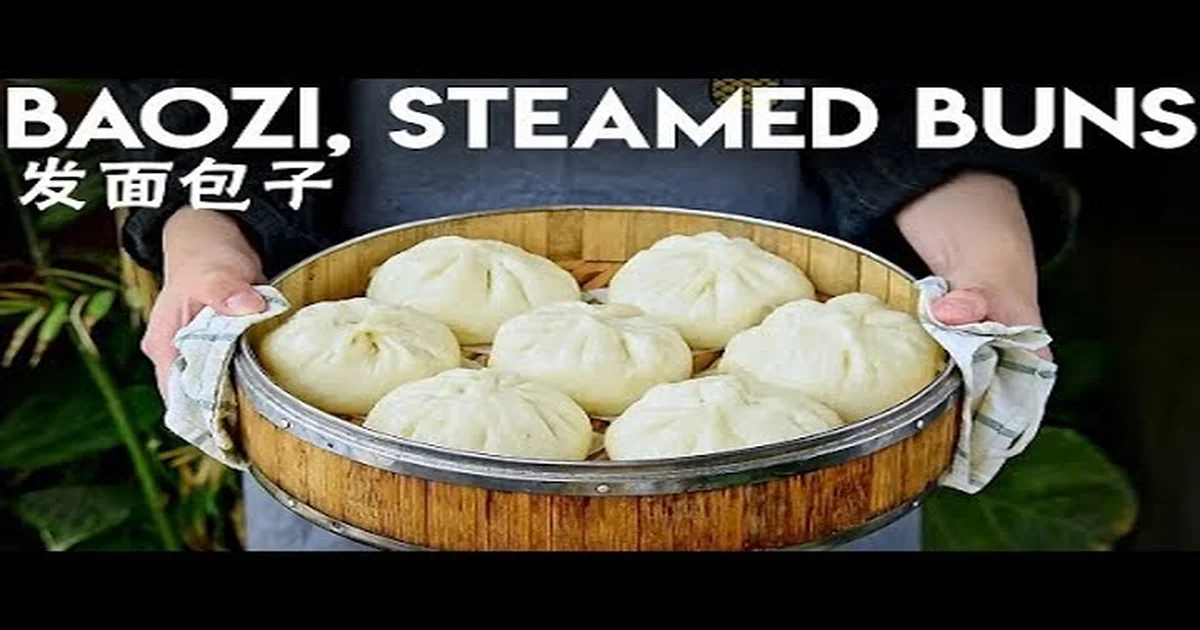
6:20 Baozi: China's Beloved Steamed Buns That Feed a Nation
 4:48
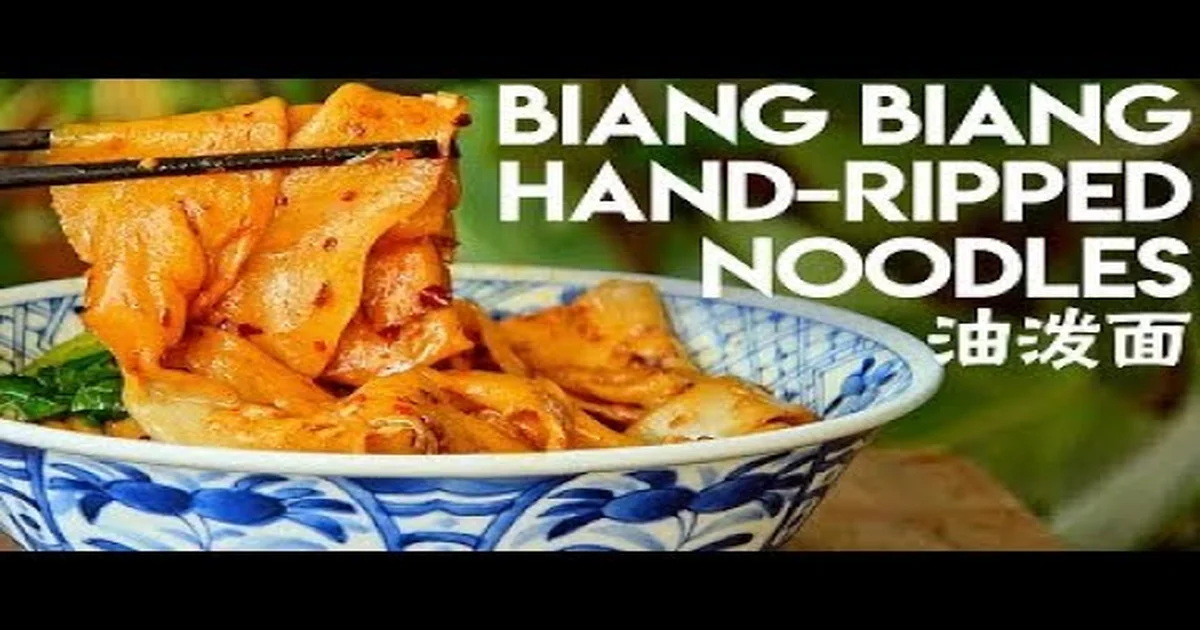
4:48 Biang Biang Noodles: The Belt-Like Noodles With China's Most Complex Character
 2:06
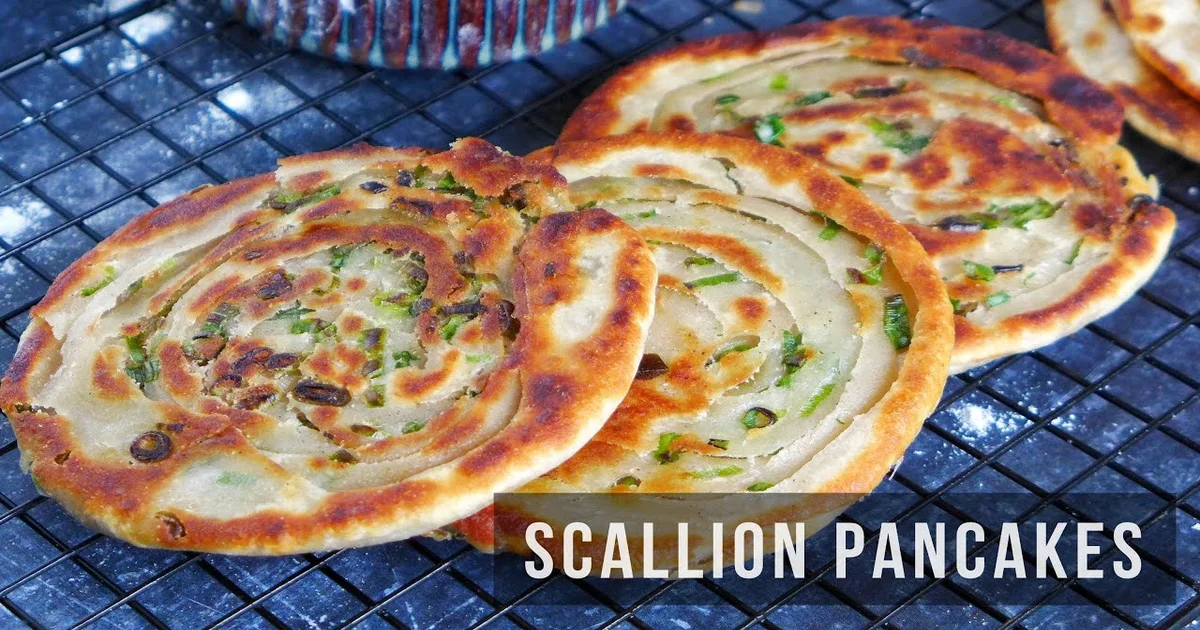
2:06 Scallion Pancakes (Cong You Bing): The Crispy, Flaky Chinese Street Classic
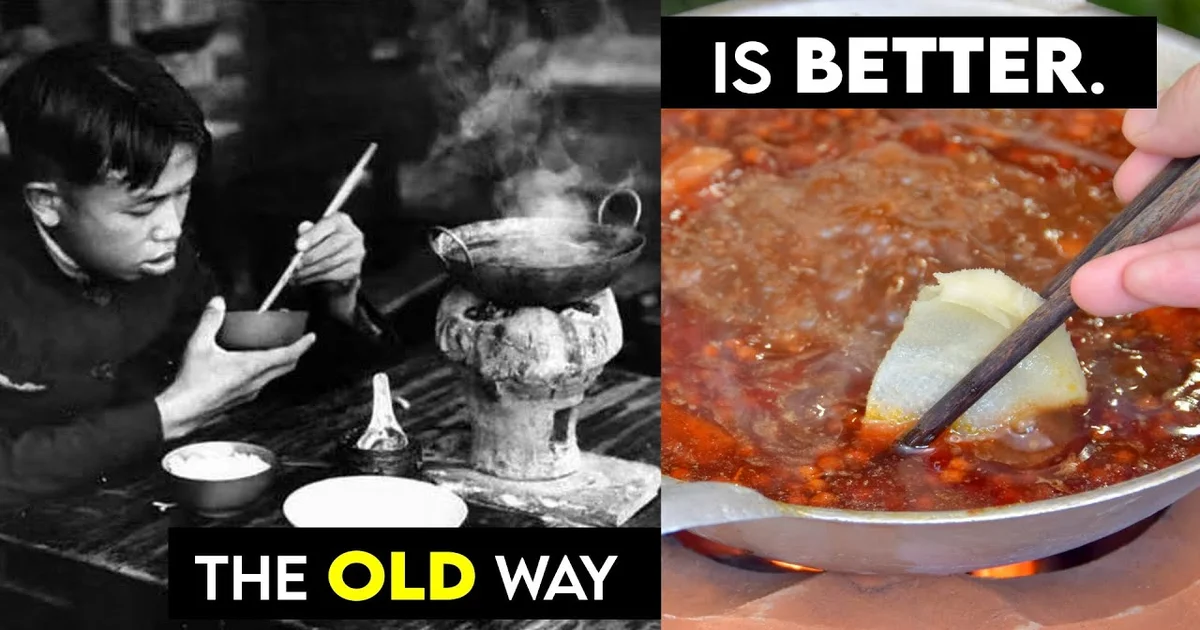
Sichuan Hot Pot — The Boiling Cauldron of Numb and Spice
Recommended Products
Products related to this topic, automatically recommended by Amazon:
As an Amazon Associate, we earn from qualifying purchases.