Peking Duck — From the Emperor's Kitchen to the World's Table
A Dish Born in the Imperial Court
Peking duck didn’t start as street food. It began inside the walls of the Forbidden City, where emperors of the Yuan dynasty demanded perfection on every plate. Court chefs discovered that force-feeding ducks and roasting them in closed ovens produced a bird with skin so crisp it shattered like glass and meat so tender it barely needed chewing. By the Ming dynasty, the recipe had been refined into something closer to what we recognize today — a glossy, amber-skinned duck carried whole into the dining room and carved tableside with theatrical precision.
The Jesuit missionary Matteo Ricci recorded early descriptions of the dish in the late 1500s, making Peking duck one of the first Chinese foods documented by a Western observer. That cross-cultural moment foreshadowed everything that came later.
The Open-Oven Revolution
The real turning point came when chefs moved the duck out of closed ovens and into open ones — hanging the birds inside brick chambers heated by fruitwood fires. This “hung oven” method, still used at legendary restaurants like Quanjude, lets fat render slowly while the skin bakes to a shattering crispness. The wood matters: jujube or pear branches give the skin a faint sweetness and a deep mahogany color that no electric oven can replicate.
This technique transformed Peking duck from an aristocratic luxury into a commercial phenomenon. By the 1860s, restaurants in Beijing’s Qianmen district were roasting hundreds of ducks a day, serving merchants, diplomats, and anyone who could afford the price of a whole bird.
The Ritual of the Wrap
What makes Peking duck more than just roast meat is the assembly. A paper-thin mandarin pancake goes flat on your palm. A brush of sweet bean sauce, a strip of scallion, a few slices of glistening skin-and-meat — then roll, fold, and bite. The crunch, the sweetness, the sharp bite of raw onion: it’s a flavor construction kit, not just a meal.
Later courses turn the remaining duck into a subtle soup with bones and cabbage, or a stir-fry of minced meat with lettuce cups. Nothing is wasted. This thrift — turning one bird into three distinct experiences — is a philosophy baked into Chinese cooking, where luxury and pragmatism coexist on the same table.
From Beijing to Everywhere
Nixon’s 1972 visit to Quanjude turned Peking duck into a diplomatic prop and a global brand. Within a decade, restaurants from San Francisco to Sydney were hanging ducks in their windows. But something was lost in translation: the pancake got thicker, the sauce sweeter, the carving less precise. The version most Westerners know is a distant cousin of the real thing.
Today, a new generation of Beijing chefs is pushing back. Some return to the closed-oven method for a fattier, juicier bird. Others experiment with dry-aging the duck for 72 hours before roasting, borrowing techniques from Western kitchens but applying them to a distinctly Chinese canvas. The dish keeps evolving because it was never frozen in time — not in the emperor’s kitchen, and not now.
Bring the Wok Home
You won’t roast a duck in a home oven the way a Beijing master does, but you can capture some of that magic with a smoking-hot carbon steel wok. The same high-heat, fast-render principle that crisps duck skin also sears vegetables, scrambles eggs, and flash-fries noodles with that elusive wok hei — the breath of the wok that makes Chinese home cooking taste like restaurant food.
Explore more: the Forbidden City’s imperial kitchens · imperial Peking Opera performances
Sources: Peking duck on Wikipedia
You May Also Like
 6:20
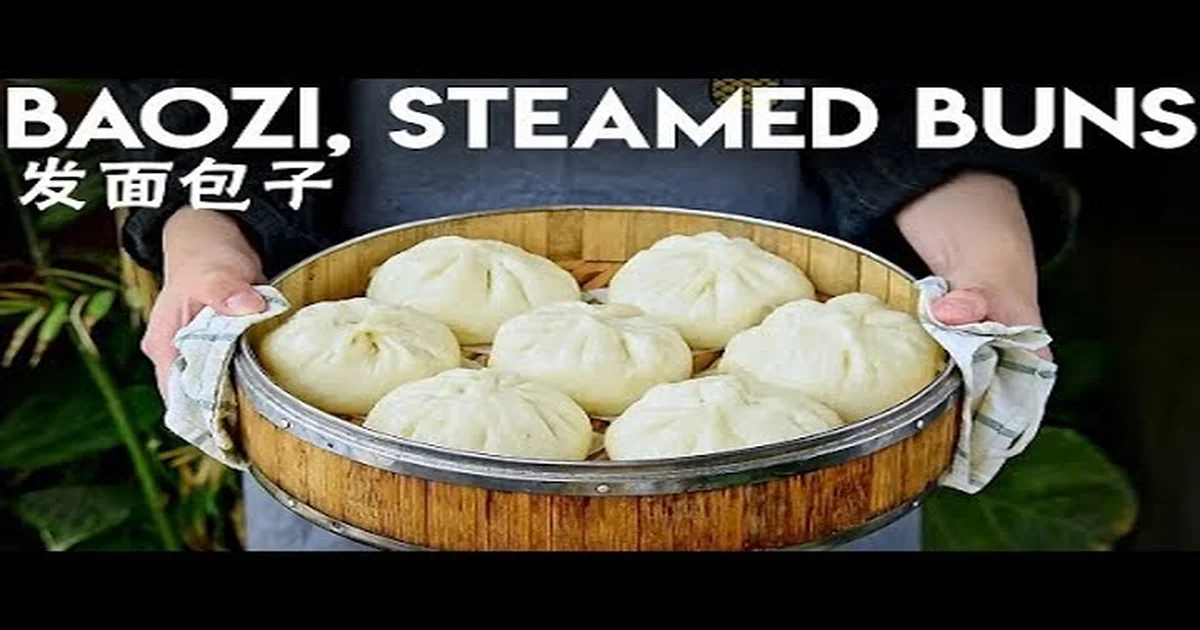
6:20 Baozi: China's Beloved Steamed Buns That Feed a Nation
 4:48
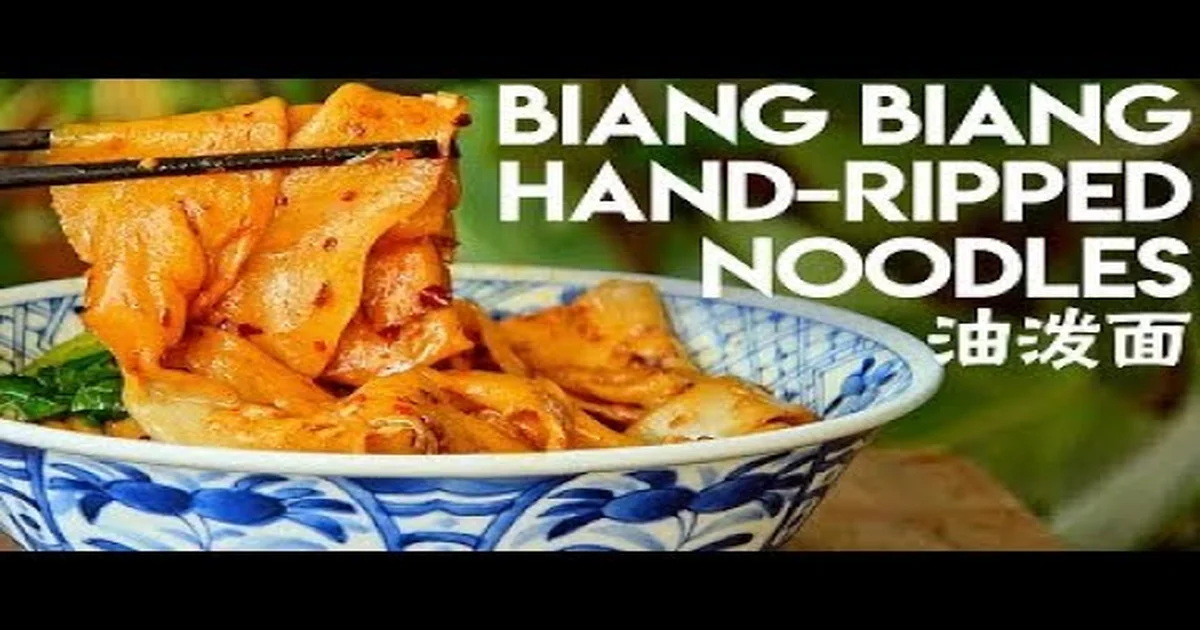
4:48 Biang Biang Noodles: The Belt-Like Noodles With China's Most Complex Character
 2:06
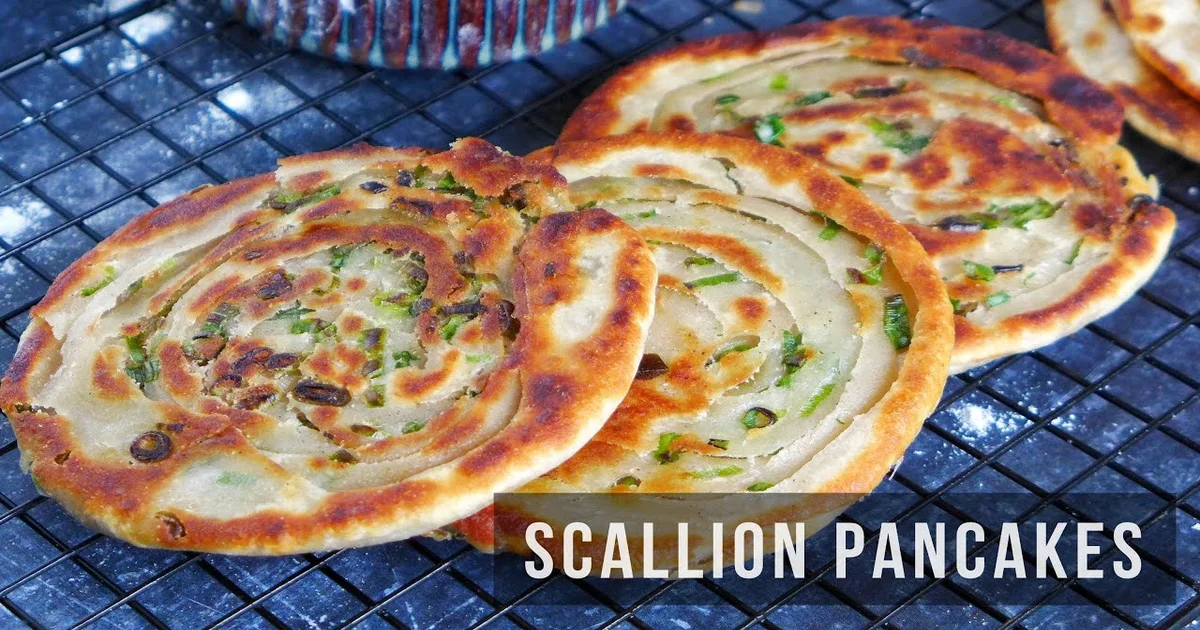
2:06 Scallion Pancakes (Cong You Bing): The Crispy, Flaky Chinese Street Classic
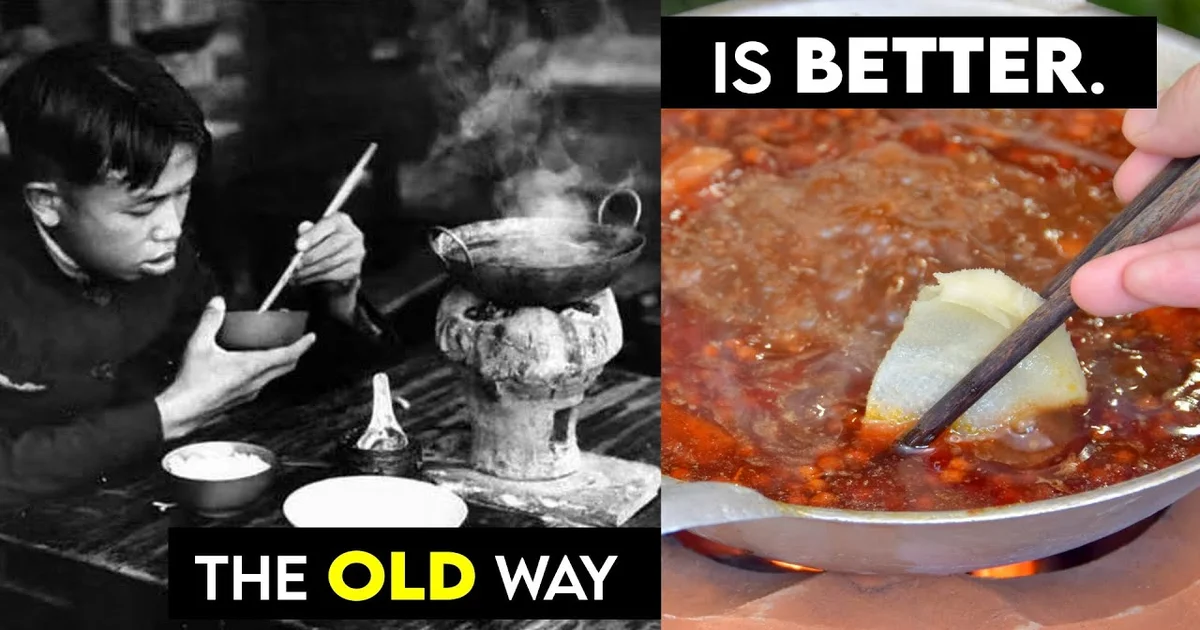
Sichuan Hot Pot — The Boiling Cauldron of Numb and Spice
Recommended Products
Products related to this topic, automatically recommended by Amazon:
As an Amazon Associate, we earn from qualifying purchases.