Mapo Tofu: The Dish That Set Sichuan on Fire — Then Conquered the World
The Pockmarked Woman and Her Legend
In the damp alleys of 1862 Chengdu, a woman with a face scarred by smallpox stood over a wok of sizzling chili oil and changed the history of Chinese food forever. 陈麻婆 (Chén Mápó) — “Old Chen’s Pockmarked Aunt” — ran a humble eatery near the Wanfu Bridge, serving laborers and merchants who crossed the Jin River into the city’s commercial quarter. Her face, marked by the disease that had ravaged her youth, became her identity, and her cooking became her immortality.
The story goes that oil carriers and porters, arriving dusty and famished, would toss her a few copper coins and whatever scraps of beef they carried. Mápó would dice the meat fine, simmer it in 郫县豆瓣酱 (Píxiàn dòubànjiàng) — the fermented broad-bean paste that is the soul of Sichuan — then slide cubes of silken 豆腐 (dòufu) into the scarlet broth. The result was a dish so numbing, so blistering, so devastatingly alive that word spread faster than the chilies could bloom.
Anatomy of a Sensation
What makes 麻婆豆腐 (Mápó Dòufu) so singular is not heat alone. Any kitchen can set your mouth ablaze. The genius of the dish lies in the layered assault — the 麻 (má) before the 辣 (là). Sichuan peppercorns, those rust-colored husks with their citrus-scented anesthesia, flood the tongue with a tingling numbness that unlocks the palate for everything that follows. Then comes the chili oil, not merely spicy but fragrant with the sweetness of 二荆条 (Èrjīngtiáo) peppers slow-smoked over juniper wood. Then the fermented bean paste, earthy and ancient, binding fat and fire into something deeper than either.
The tofu itself must be 嫩豆腐 (nèn dòufu) — not firm, not silken, but the soft variety that quivers like a half-set custard. It arrives in the wok last, barely warmed through, so each cube holds its shape while releasing a cool milky sigh against the volcanic broth. The final touch: a snowfall of 花椒 (huājiāo) ground fresh over the top, its perfume rising like incense.
From Chengdu to Every Kitchen
For a century after Mápó’s death, her descendants guarded the recipe at the original 陈麻婆豆腐 (Chén Mápó Dòufu) restaurant, which still stands in Chengdu’s Qingyang district. Pilgrims traveled across China to taste the canonical version. But the dish could not be contained. By the mid-twentieth century, 麻婆豆腐 (Mápó Dòufu) had leapt the boundaries of Sichuan province, appearing on menus in Beijing, Shanghai, and Guangzhou — each city mutating it toward local tastes, adding sugar in the east, toning down the pepper in the north.
The true diaspora came with the overseas Chinese. In Tokyo’s Shin-Okubo neighborhood, Japanese chefs developed their own version, sweeter and thickened with 片栗粉 (katakuriko). In New York’s Chinatown, Sichuan restaurants of the 1990s reintroduced the authentic 麻辣 (málà) intensity to an audience weaned on General Tso’s chicken, and a generation of American diners discovered what it meant to eat something that made them sweat, gasp, and reach for more simultaneously.
The Unbroken Line
Today, the Chen family restaurant serves thousands of bowls daily. The woks are carbon steel, blackened by decades of seasoning. The bean paste is still fermented in ceramic vats along the banks of the Pi River, where the humid Sichuan air carries spores that no factory can replicate. The peppercorns are harvested from trees on the slopes of 汉源 (Hànyuán), the county renowned for the most potent 花椒 (huājiāo) in all of China.
There is no secret ingredient. There is only the accumulation of a hundred and sixty years of doing one thing with absolute conviction: making a dish that refuses to compromise, that demands you feel every note — the numbing, the searing, the savory, the cool whisper of tofu against a tongue that has forgotten it even has limits.
A Dish That Eats You Back
Sit down at a formica table in Chengdu. The bowl arrives, a volcanic lake of crimson oil studded with pale tofu islands and dark crumbles of minced beef. The steam carries the grapefruit-zip of peppercorns and the toasty depth of fermented bean. You lift a piece of tofu with your chopsticks — it wobbles, resists, nearly slips back. Into your mouth. The numbness arrives first, a hum across your lips, then the heat blooms, then the rich meaty depth, then the cooling tofu center, and then the peppercorn echo, a tingling aftershock that lingers long after you have swallowed.
This is 麻婆豆腐 (Mápó Dòufu). It does not comfort. It does not soothe. It wakes you up — violently, joyfully, completely — and for that, it has been loved for a hundred and sixty years across every continent where humans eat with pleasure and courage.
Explore more: Sichuan’s spice philosophy · Chongqing hotpot culture
Sources: Mapo tofu on Wikipedia
You May Also Like
 6:20
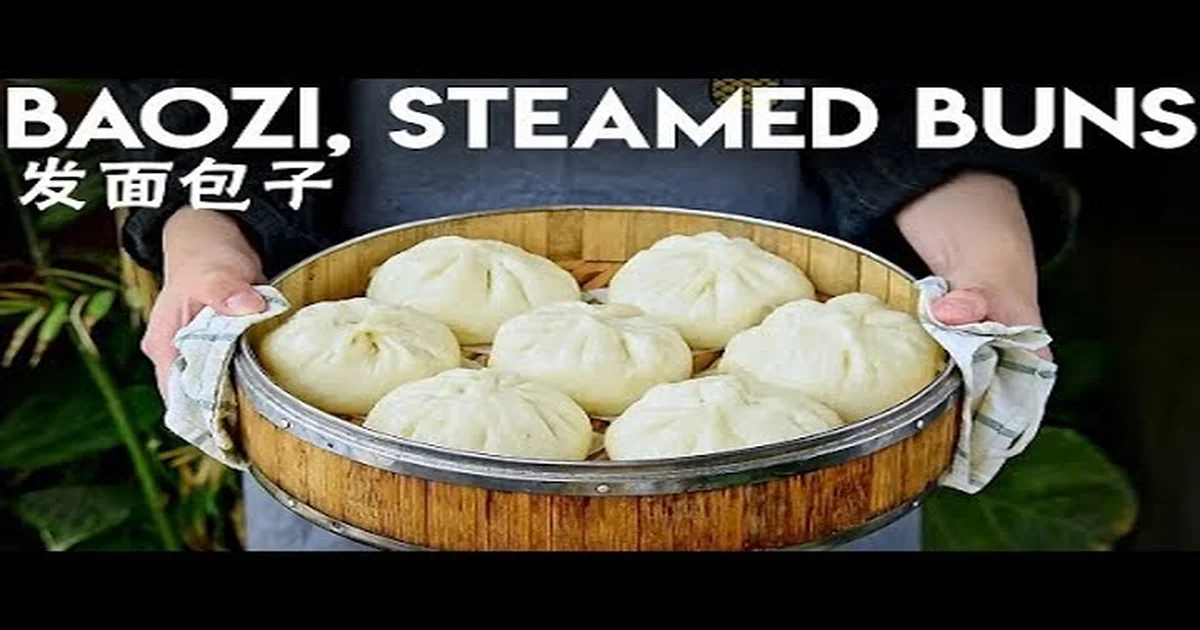
6:20 Baozi: China's Beloved Steamed Buns That Feed a Nation
 4:48
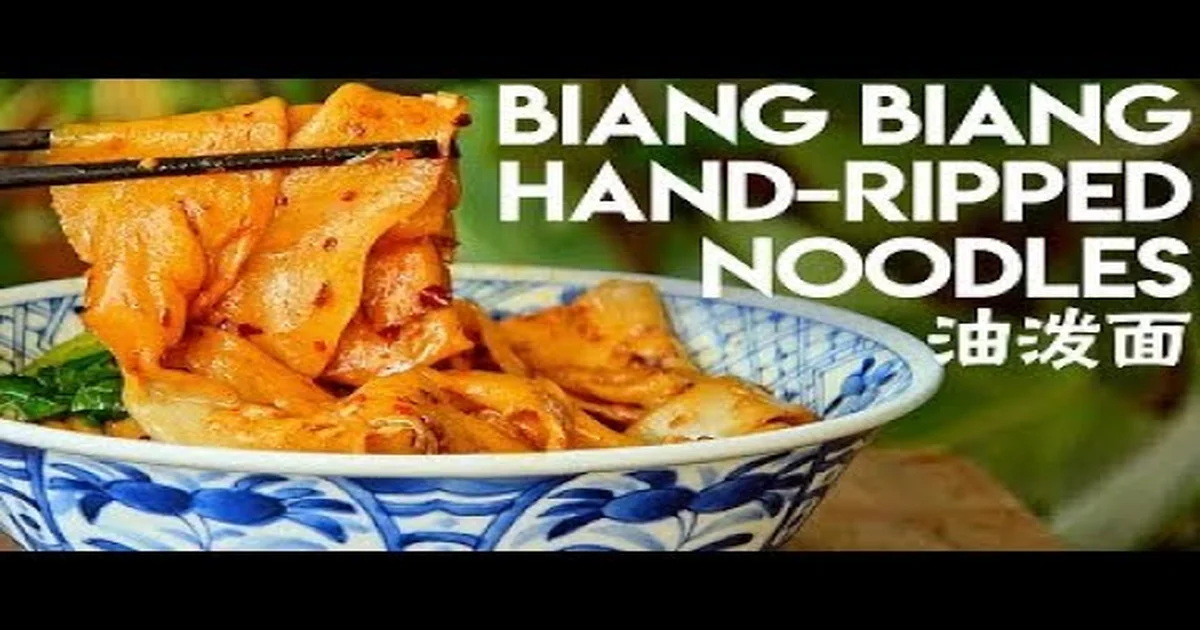
4:48 Biang Biang Noodles: The Belt-Like Noodles With China's Most Complex Character
 2:06
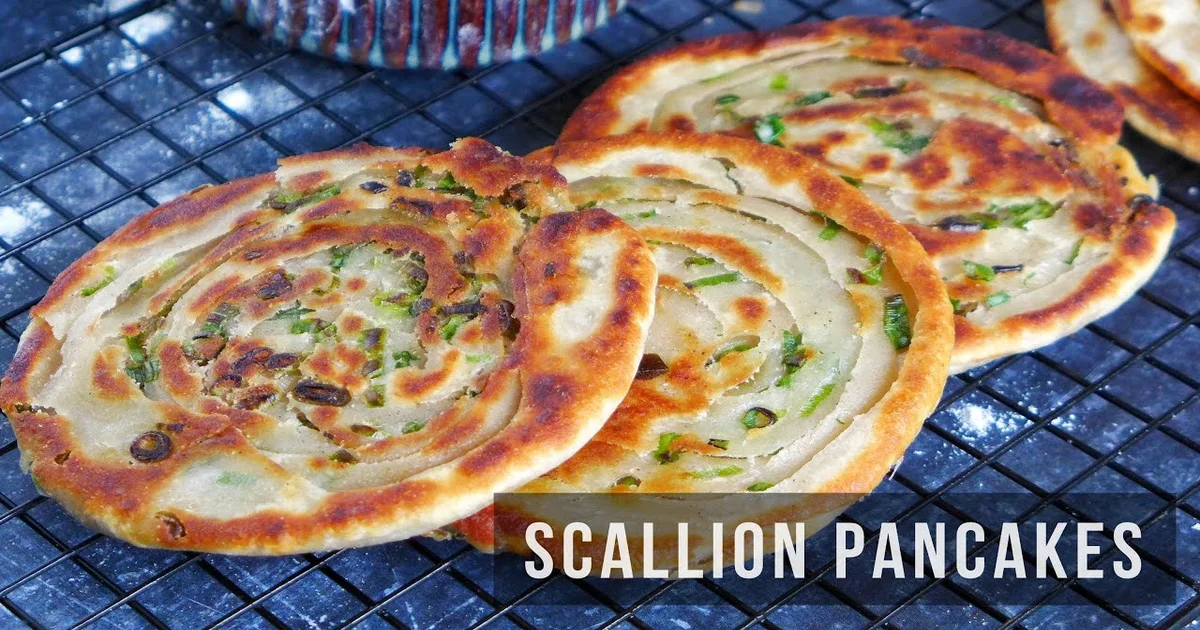
2:06 Scallion Pancakes (Cong You Bing): The Crispy, Flaky Chinese Street Classic
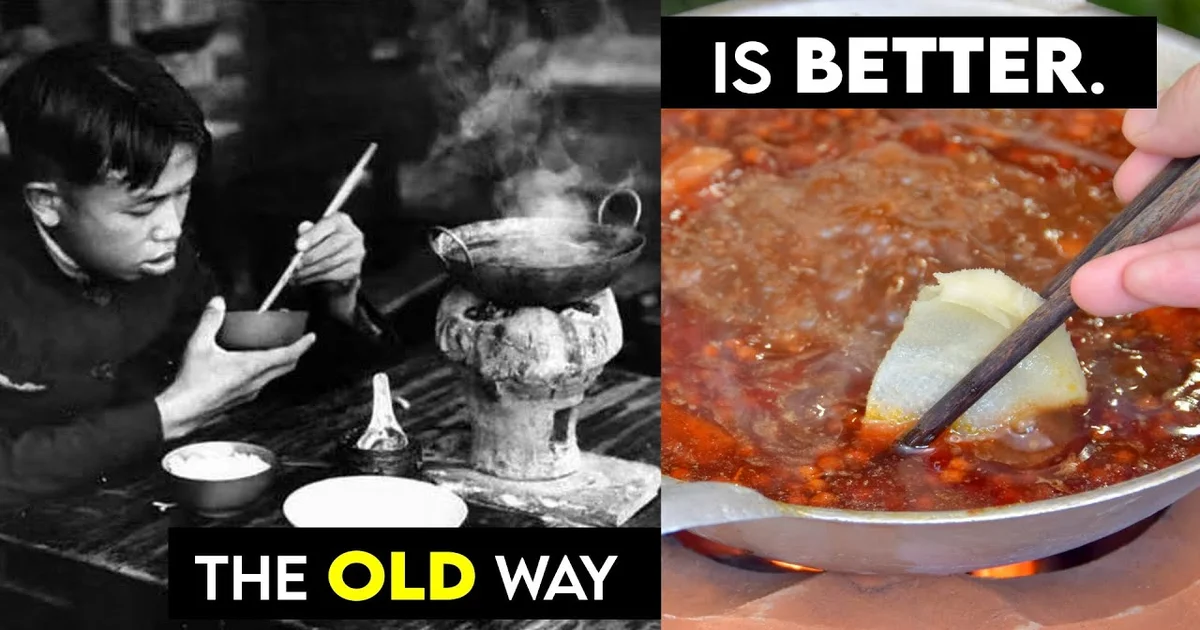
Sichuan Hot Pot — The Boiling Cauldron of Numb and Spice
Recommended Products
Products related to this topic, automatically recommended by Amazon:
As an Amazon Associate, we earn from qualifying purchases.