Chongqing Hotpot: The Spicy Soul of China's Mountain City
A Cauldron in the Fog
There is a sound that defines Chongqing more than any skyline or bridge: the bubbling of chili oil. Walk any street in the evening and you’ll hear it — a low, persistent rolling boil rising from tables packed so tight that strangers share soup spoons. The air burns. Your eyes water. And you keep eating.
Chongqing hotpot is not a meal. It is a social contract. You sit. You commit. You surrender your comfort and your dignity to a vat of oil so red it looks like it was mined, not cooked. This is the dish that built the city’s identity — and understanding it means understanding why 32 million people chose to live on a mountain in the fog.
The Nine-Grid and the Beef Tripe
Traditional Chongqing hotpot uses a 九宫格 — a nine-grid iron partition dropped into a single shared pot. Each section has a different temperature: the center boils violently for quick-cooking slices, the corners simmer gently for longer items, and the edges hold a moderate heat for browning.
The star ingredient is 毛肚 — beef tripe, sliced paper-thin so it curls in the boiling oil in exactly 15 seconds. Too long and it turns to rubber. Too short and it’s raw. The skill of dipping tripe — called “七上八下” (seven up, eight down) — is a point of pride. Locals can tell a tourist by how they handle their chopsticks.
Then comes 鸭肠 (duck intestine), 黄喉 (yellow throat), 脑花 (pigs’ brain), and 郡花 (gizzard slices) — ingredients that would make a Western diner flinch but which Chongqing treats with the reverence France reserves for truffles. The philosophy is simple: every part of the animal is delicious if you cook it right. Waste is shameful. Flavor is everything.
Mala: The Sensation That Rewires Your Brain
The base of Chongqing hotpot is 麻辣 — má (numbing) from Sichuan peppercorns, and là (spicy) from facing-heaven chilies. These are not the same sensation. Sichuan pepper contains hydroxy-alpha-sanshool, which doesn’t burn — it numbs, producing a tingling, vibrating feeling on the lips and tongue that Chinese cooks call “麻” and neuroscientists call “a somatosensory illusion.”
The chilies burn. The peppercorns numb. Together, they create a loop: the heat triggers endorphins, the numbness resets your pain receptors, and you reach for the next bite before your brain has finished processing the last one. This is not an accident of flavor. This is chemical engineering practiced for 300 years.
The result is a kind of addiction that has nothing to do with dependency and everything to do with sensation-seeking. Chongqing people don’t eat spicy food because they’re used to it. They eat it because nothing else hits the same way.
Oil Soup, Not Water Soup
Here is the thing that shocks outsiders most: Chongqing hotpot is an oil soup, not a water soup. The pot is filled with beef tallow, chili oil, fermented broad bean paste (豆瓣酱), rock salt, and whole spices — not the clear broth of Beijing or the herbal soup of Cantonese hotpot. Water is added only to prevent the oil from burning.
This is controversial. Health authorities have campaigned for “清油火锅” — clear-oil hotpot made with vegetable oil instead of beef tallow. Chongqing responded the way it responds to everything: by ignoring it. A 2023 survey found that 78% of Chongqing hotpot restaurants still use traditional beef tallow. The owner of one famous shop put it plainly: “Without beef tallow, it’s not hotpot. It’s soup.”
The Midnight Economy
Chongqing hotpot operates on a different clock than the rest of China. Restaurants open at 5 PM and don’t close until 4 AM. The peak hours are 10 PM to 2 AM — after the bars, after the karaoke, after the work shifts end. In a city of 32 million where the commute home might take 90 minutes through five levels of overpasses, hotpot at midnight is not indulgence. It’s therapy.
The economics are remarkable. Chongqing has over 30,000 hotpot restaurants — more per capita than any city on Earth. Annual revenue from hotpot exceeds 30 billion yuan ($4.1 billion). The industry employs half a million people. There are hotpot-themed banks, hotpot-themed airlines, and a hotpot museum where you can see pots from the Qing Dynasty.
A Dish Born from Poverty
Hotpot wasn’t always glamorous. It began in the 1920s along the Yangtze docks, where boat trackers and laborers couldn’t afford prime cuts. Butchers’ scraps — tripe, intestine, blood curd, pig’s feet — were the cheapest protein available. Workers would boil them in a shared pot of spiced oil to kill the gaminess and stretch the flavor.
The name “火锅” — fire pot — came from the clay brazier that held the charcoal. You paid by the piece. You sat on a stool on the street. You ate what the rich threw away.
Over decades, what began as poverty food became identity food, the way barbecue became Memphis and baguettes became Paris. Chongqing hotpot is a story about turning scarcity into abundance — the same story as the city itself, which grew from a foggy river port into the world’s largest municipality by refusing to accept that its limitations were permanent.
Why You Should Try It
You will sweat. Your lips will swell. You may question your life choices halfway through the first bite of tripe. But if you stay — if you let the numbing pepper and the blazing oil and the communal chaos of a crowded table do their work — you will understand something about Chongqing that no skyline can teach you: this is a city that takes what the world gives it and makes it burn.
Explore more: Chongqing’s 8D mountain city · Sichuan’s spice philosophy · Mapo Tofu’s fiery origins
Sources: Chongqing hot pot on Wikipedia
You May Also Like
 6:20
6:20 Baozi: China's Beloved Steamed Buns That Feed a Nation
 4:48
4:48 Biang Biang Noodles: The Belt-Like Noodles With China's Most Complex Character
 2:06
2:06 Scallion Pancakes (Cong You Bing): The Crispy, Flaky Chinese Street Classic
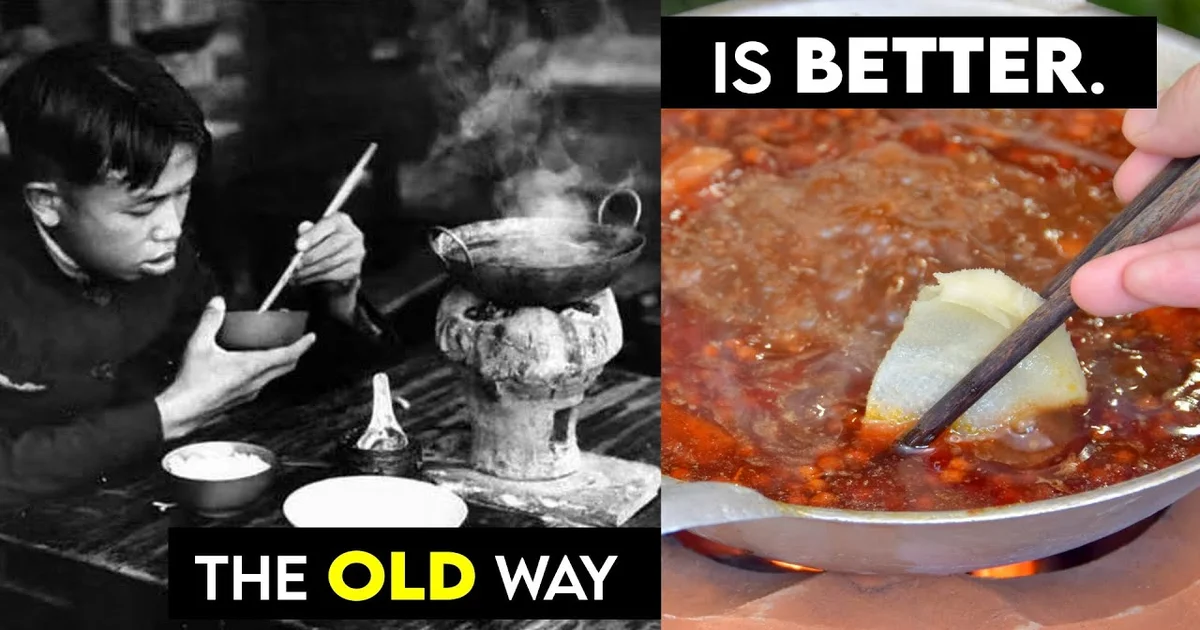
Sichuan Hot Pot — The Boiling Cauldron of Numb and Spice
Recommended Products
Products related to this topic, automatically recommended by Amazon:
As an Amazon Associate, we earn from qualifying purchases.