Qixi — The Love Story Written in the Stars (Literally)
A Love Story Older Than Romeo and Juliet by About 1,500 Years
Long before Shakespeare put poison in Juliet’s hand, China had its own star-crossed lovers — except theirs really were written in the stars. Look up on a clear summer night, and you can still see them: Altair and Vega, separated by the glowing river of the Milky Way, forever reaching across an impossible distance.
Qixi, celebrated on the seventh day of the seventh lunar month, is built on this cosmic heartbreak. It is the oldest love story in Chinese culture, and arguably the most unreasonable — because the universe itself is the obstacle.
The Girl Who Wove the Clouds
Zhinü was a weaver fairy. Not the kind who sits at a loom as décor — she literally wove the sunset colors into the sky each evening. Niulang was a mortal cowherd with nothing but an old ox and a kind heart. When they met, the class gap could not have been wider: goddess versus peasant.
But they fell in love anyway, married in secret, and had two children. For a few years, it was perfect. Then the Queen Mother of the West found out. She was furious — not because a goddess married a human, but because a goddess stopped weaving sunsets. Duty over love. Always.
The River That Became a Border
The Queen Mother scratched the sky with her hairpin, and the Milky Way erupted between the couple — a river of stars too wide to cross. Niulang stood on one bank with their children. Zhinü stood on the other, weeping.
The gods took pity. Sort of. Once a year, on the seventh night of the seventh month, every magpie on earth flies up and forms a bridge across the Milky Way. The lovers cross it, embrace for a single night, and then return to their separate skies until next year.
One night. Three hundred and sixty-four days of waiting for one night. If that is not commitment, nothing is.
What People Actually Do
Modern Qixi has been commercialized into “Chinese Valentine’s Day,” complete with flower deliveries and restaurant bookings. But the older traditions had a different flavor. Unmarried women would set up offerings of fruit and tea, thread needles by moonlight to test their skill, and whisper wishes to Zhinü — not just for love, but for cleverness and craftsmanship.
The holiday was never just about romance. It was about skill, patience, and the quiet faith that the person you are reaching for is reaching back.
Why the Story Still Hits
In an age of instant messaging and same-day delivery, the idea of waiting 364 days for a single conversation feels almost absurd. But maybe that is exactly why Qixi resonates. It reminds us that the most powerful connections are not the ones maintained by convenience — they are the ones that survive absence.
Zhinü and Niulang do not get a happy ending. They never move in together, never grow old side by side. What they get is something stranger and arguably more profound: the certainty that across any distance, real love finds a bridge — even if it takes a thousand magpies to build it.
Explore more: Lantern Festival’s romantic traditions · the pipa’s love ballads
Sources: Qixi Festival on Wikipedia
You May Also Like
 8:15
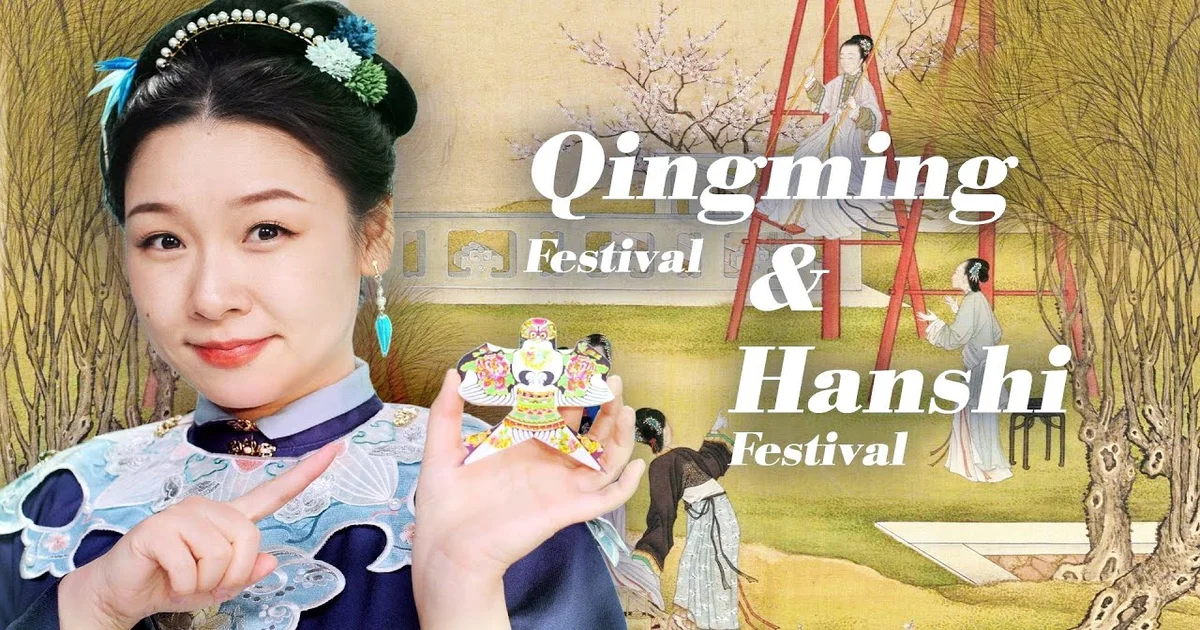
8:15 Hanshi Festival: The Cold Food Tradition That Birthed Qingming
 5:32
5:32 Huazhao Festival: China's Flower Birthday Celebration
 6:45
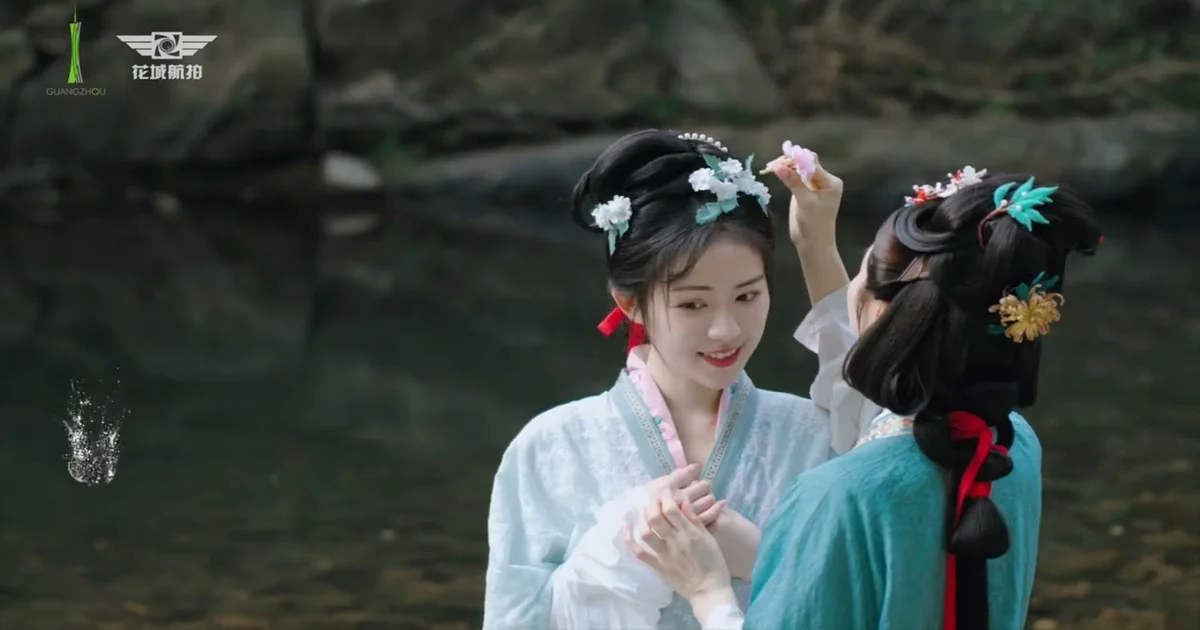
6:45 Shangsi Festival: China's Forgotten Valentine's Day on the Double Third
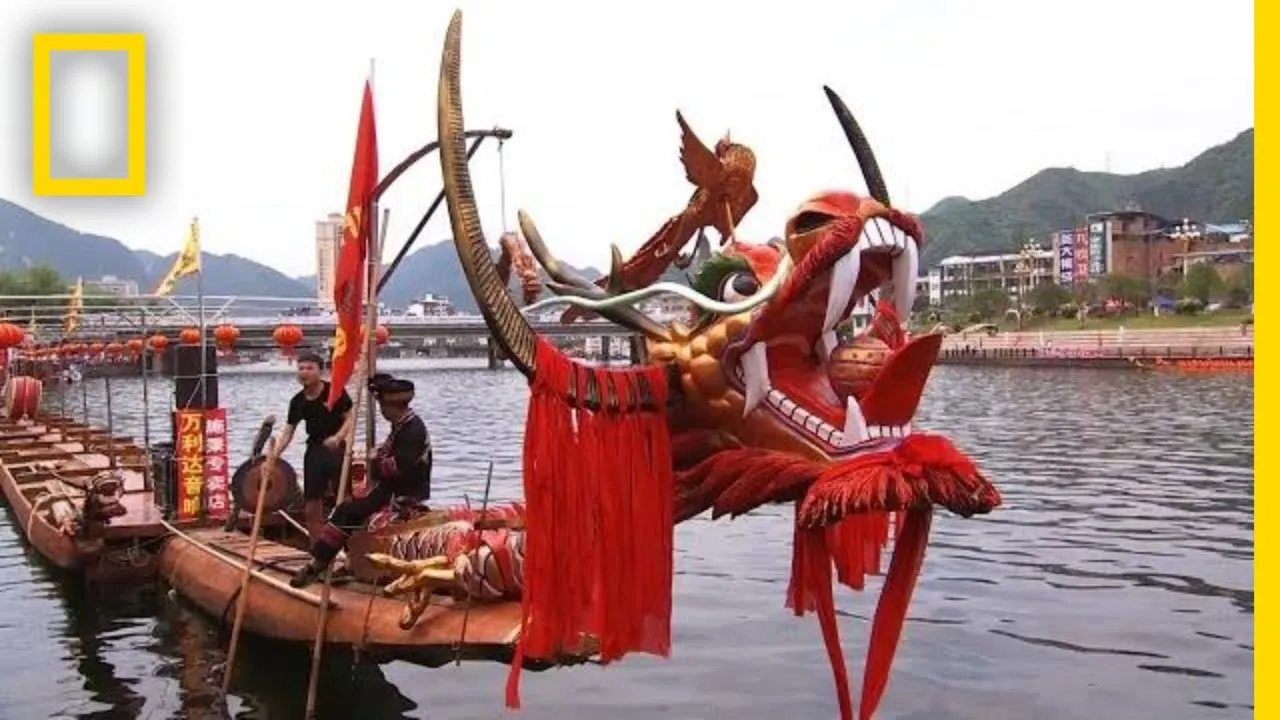
Dragon Boat Racing: 2,300 Years of Drums, Sticky Rice, and Perfect Synchronicity
Recommended Products
Products related to this topic, automatically recommended by Amazon:
As an Amazon Associate, we earn from qualifying purchases.