Qingming — How the Chinese Talk to Their Ancestors Once a Year
A Conversation Across Time
Every April, something remarkable happens across China. Millions of people leave their cities, pack into trains and cars, and head to the countryside. They are not going on vacation. They are going to talk to the dead.
Qingming, often translated as Tomb-Sweeping Day, falls on the 15th day after the Spring Equinox. The name literally means “clear and bright,” a nod to the crystalline spring weather that arrives with it. But strip away the poetic label and you find something far more raw: a nationwide act of remembrance that has survived over 2,500 years.
What Actually Happens
The ritual is surprisingly intimate. Families arrive at ancestral graves with tools and offerings. They pull weeds, scrub headstones, and repaint faded characters. Then they lay out food — the deceased’s favorite dishes — along with fruit, tea, and sometimes a bottle of baijiu. Paper money is burned in small piles, the smoke curling upward like a phone call to the other side.
There is no priest, no sermon, no congregation. Just a family standing around a patch of earth, speaking softly to someone who can no longer answer back. Some people weep. Others chat casually, updating Grandma on the new baby or the promotion at work. It is grief and normalcy tangled together in a way that feels utterly human.
The Poem Every Chinese Person Knows
Ask anyone in China to recite a poem about Qingming, and they will give you Du Mu’s eighth-century verses:
A drizzling rain falls like tears on the Mourning Day; The mourner’s heart is going to break on his way.
Written during the Tang Dynasty, those two lines capture the mood so perfectly that they have become inseparable from the holiday itself. Rain on Qingming is not just weather — it is atmosphere, tradition, and collective emotional shorthand all at once.
Spring Outing: The Other Side of Qingming
Here is the twist. Qingming is also a celebration of life. After the graves are swept, families traditionally go on taqing — a spring outing. They hike green hills, fly kites, eat qingtuan (sticky rice dumplings colored bright green with mugwort juice), and let children run wild in fields that have just shaken off winter.
This duality is what makes Qingming so distinctly Chinese. Death and spring. Grief and greenery. The same holiday that asks you to kneel at a grave also asks you to look up at the sky and fly a kite. It is not contradictory — it is complete.
Why It Still Matters
In a country racing toward an AI-driven future, Qingming remains stubbornly analog. No app can burn paper money for you. No algorithm can replicate the smell of incense drifting over a hillside cemetery. The holiday persists because it answers a question that technology never will: how do you stay connected to people who are gone?
The Chinese answer is simple. You show up. Once a year, you go to where they are, clean the place up, bring them some food, and tell them you haven’t forgotten. It is the least efficient communication system ever invented — and somehow the most reliable.
Explore more: Ghost Festival’s spirit rituals · the 24 Solar Terms calendar
Sources: Qingming Festival on Wikipedia
You May Also Like
 8:15
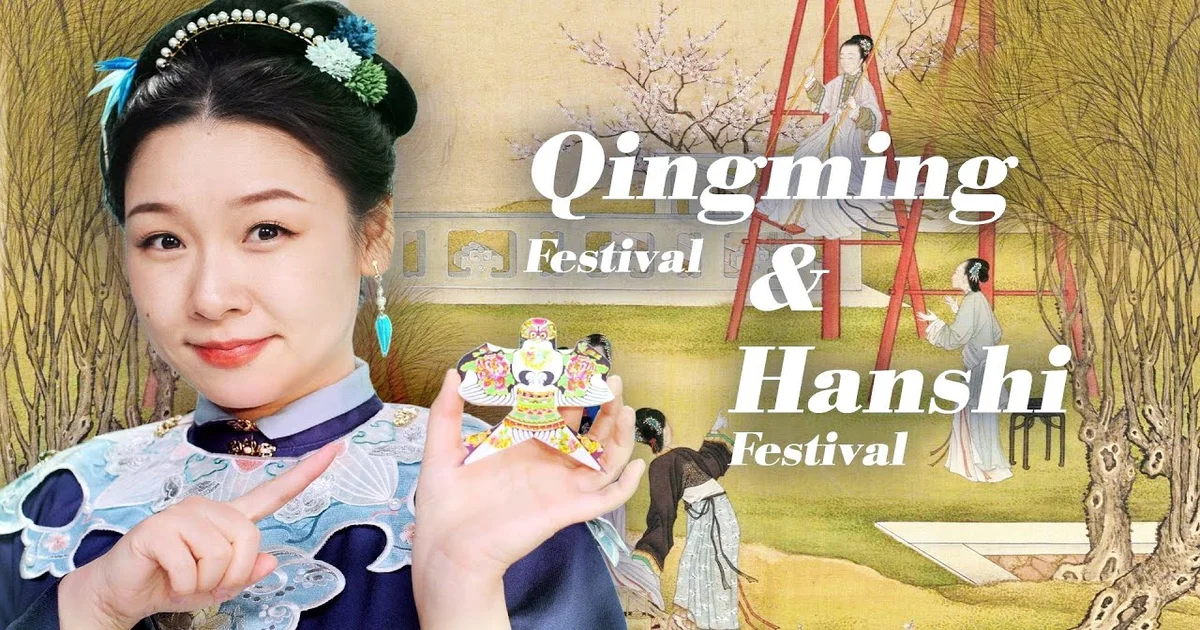
8:15 Hanshi Festival: The Cold Food Tradition That Birthed Qingming
 5:32
5:32 Huazhao Festival: China's Flower Birthday Celebration
 6:45
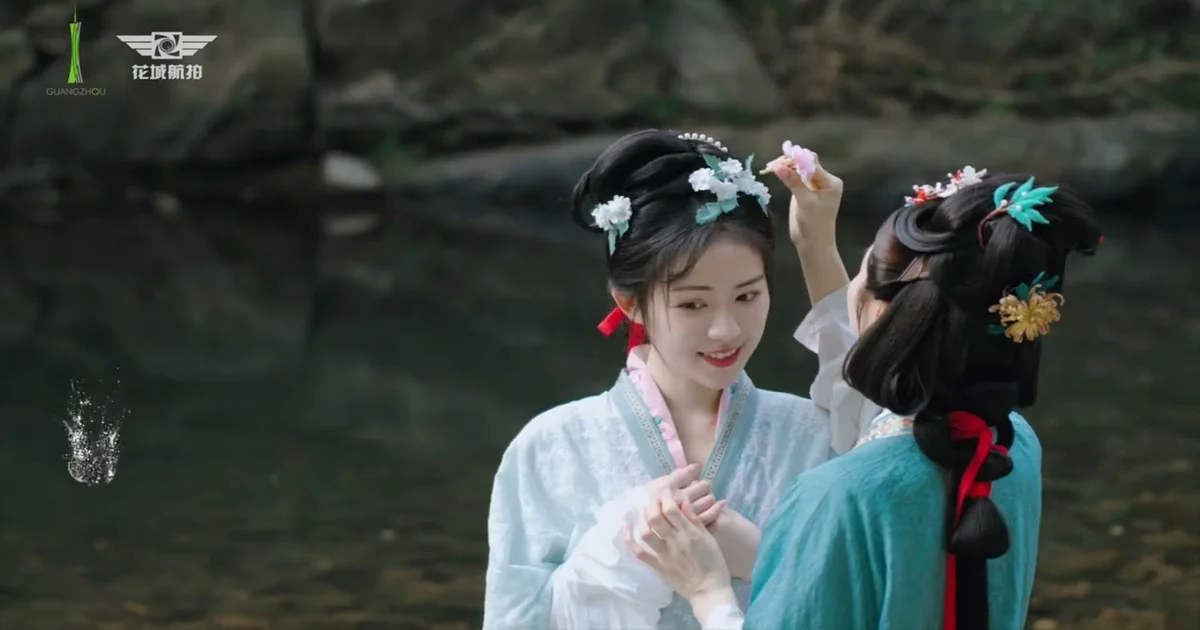
6:45 Shangsi Festival: China's Forgotten Valentine's Day on the Double Third
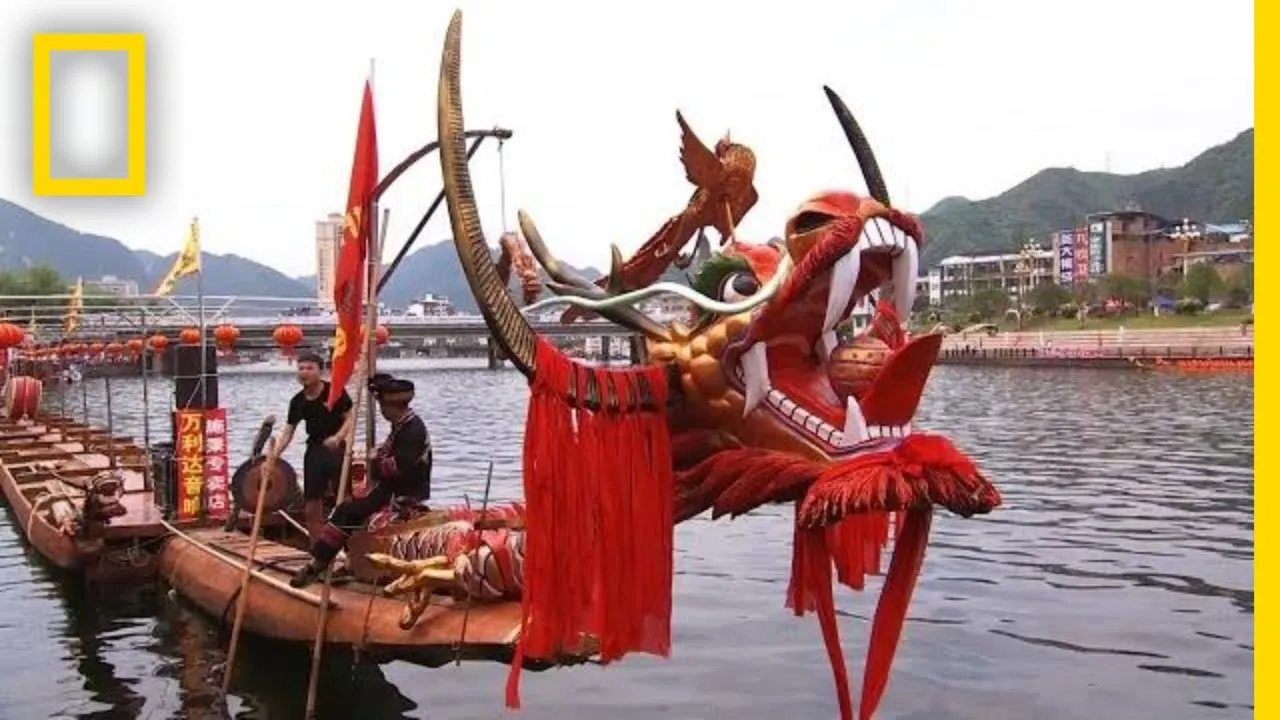
Dragon Boat Racing: 2,300 Years of Drums, Sticky Rice, and Perfect Synchronicity
Recommended Products
Products related to this topic, automatically recommended by Amazon:
As an Amazon Associate, we earn from qualifying purchases.