Chinese Drum — The Heartbeat Behind Every Festival, Battle, and Dynasty
Before There Were Words, There Was the Drum
Long before Chinese civilization had writing, it had rhythm. Archaeological sites in Henan have uncovered pottery drums dating back over 5,000 years — hollow clay cylinders with animal-skin heads, buried alongside the dead as if the afterlife needed a beat to navigate by. The drum wasn’t entertainment. It was technology. It was communication. It was the difference between a tribe that moved as one and a tribe that scattered.
In a world without telephones or radios, the drum was how you said: we are here, we are many, and we are coming.
The War Drum That Shook Empires
During the Warring States period (475–221 BCE), the drum became a weapon of war as critical as the sword. Military manuals prescribed exact drum patterns: slow beats for advancing infantry, rapid rolls for cavalry charges, a specific three-stroke pattern for retreat. The drum didn’t just accompany battle — it directed it.
The phrase yi gu zuo qi (一鼓作气), “rally the spirit with a single drumbeat,” comes from a story in the Zuo Zhuan about a general who timed his attack to the enemy’s third drumbeat — by which point their initial fervor had faded. It’s a strategy about sound, about the psychology of rhythm, about how a beat can inject courage or announce exhaustion. Modern sports coaches use the same principle. They just call it “momentum.”
The drum’s military role persisted for millennia. When Kublai Khan’s Mongol fleet attempted to invade Japan in 1274, Chinese war drums aboard the ships pounded so relentlessly that Japanese coastal defenders heard them before they saw the sails. The sound was the first weapon.
Festivals: Where the Drum Learned to Dance
The same instrument that marshalled armies became the pulse of celebration. During Chinese New Year, the thunder of drums drives away the mythical beast Nian. At temple fairs across rural China, drum troupes compete in displays that blur the line between music and martial arts — leaping, spinning, striking from impossible angles, each hit landing with the precision of a calligrapher’s final stroke.
The Ansai waist drum (安塞腰鼓) from Shaanxi province is perhaps the most spectacular. Dancers strap small drums to their waists and perform in unison — dozens, sometimes hundreds of people moving as a single organism, their red silk ribbons cutting arcs through the dust. It’s percussive, athletic, and deeply emotional. The Ansai drum doesn’t ask you to listen. It grabs you by the ribcage and makes you feel it.
The Living Pulse
What makes the Chinese drum different from percussion traditions elsewhere isn’t the instrument — it’s the philosophy behind the rhythm. In Chinese musical thought, the drum doesn’t keep time. It generates time. Each strike is a moment of creation, not a measurement of something that already exists. The drummer isn’t following a beat — they’re becoming the beat.
This is why, when you hear a large Chinese drum ensemble performing at full intensity, the effect isn’t just loud. It’s primal. Something in your nervous system recognizes the sound before your mind can analyze it — the same way a newborn recognizes its mother’s heartbeat. The Chinese drum has been speaking that language for five thousand years. It hasn’t run out of things to say.
Explore more: Dragon Boat racing rhythms · the suona’s festival cry
Sources: Chinese drum on Wikipedia
You May Also Like
 5:18
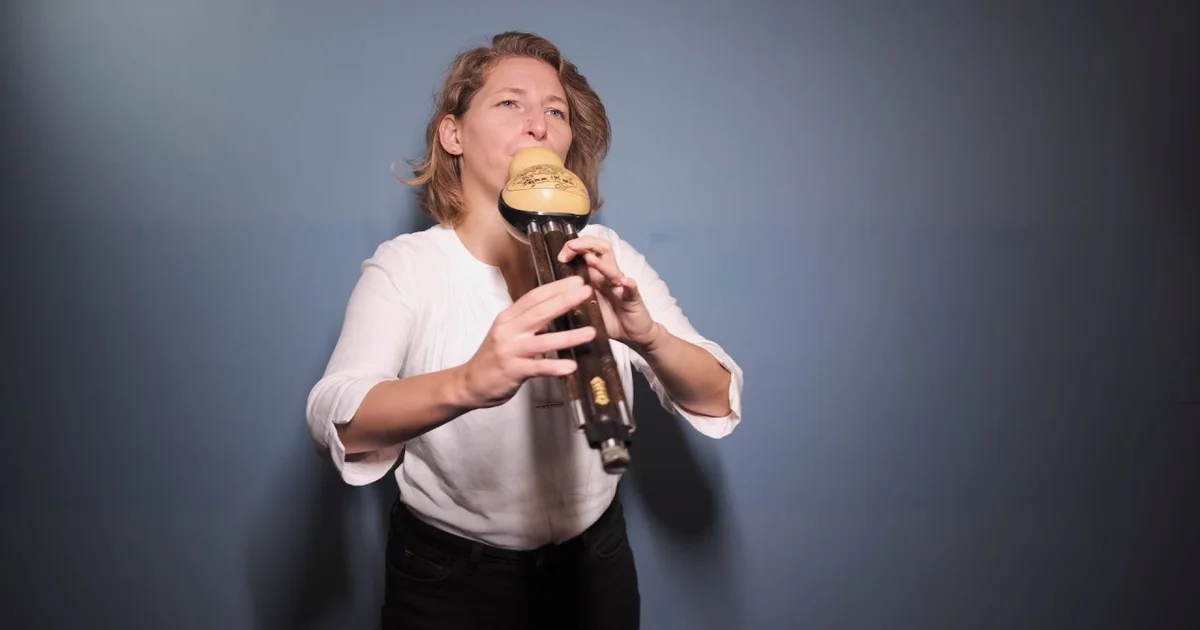
5:18 Hulusi: The Gourd Flute of Yunnan's Tropical Valleys
 8:42
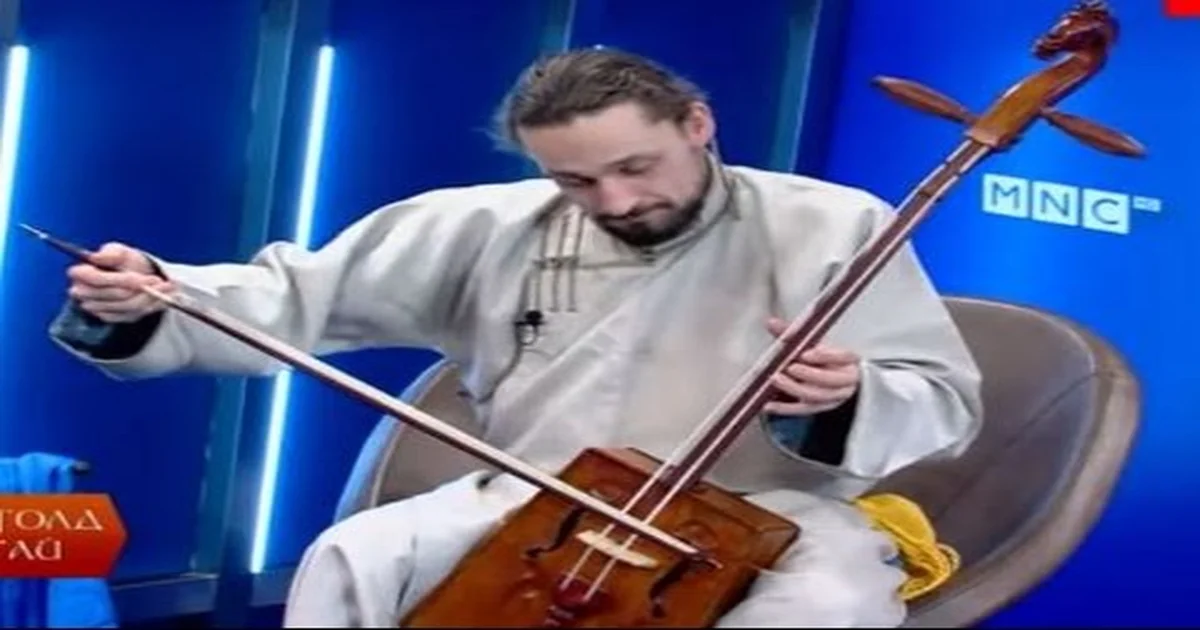
8:42 Morin Khuur: The Horse-Head Fiddle That Sings the Steppe
 6:50
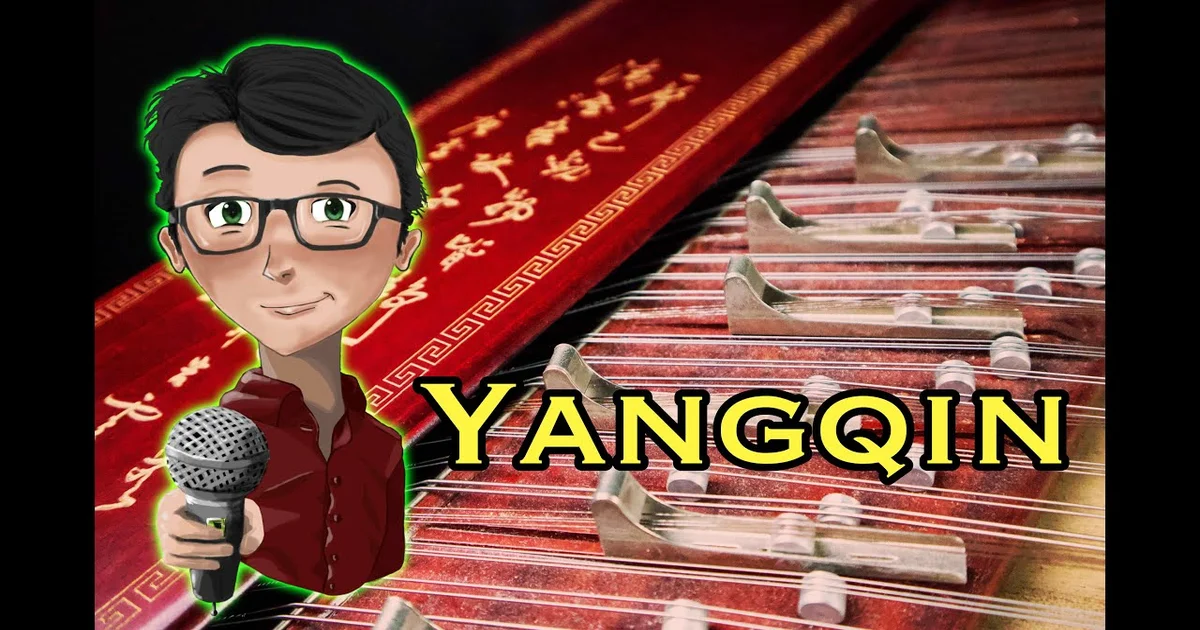
6:50 Yangqin: The Chinese Hammered Dulcimer That Bridged East and West

Guzheng — The Chinese Zither With 2,500 Years of Elegance
Recommended Products
Products related to this topic, automatically recommended by Amazon:
As an Amazon Associate, we earn from qualifying purchases.